

Are Fully Enclosed Cable Ducts Required by Electrical Codes for Certain Applications
2026-02-11
When designing and installing electrical systems, a critical question often arises: Are Fully Enclosed Cable Ducts required by electrical codes for certain applications? The answer is a resounding yes. Major electrical codes, such as the NEC (National Electrical Code) and IEC standards, mandate the use of these protective systems in environments where cables are exposed to specific hazards. Choosing a robust solution like those from CNDES ensures not only compliance but also superior protection for your critical infrastructure.
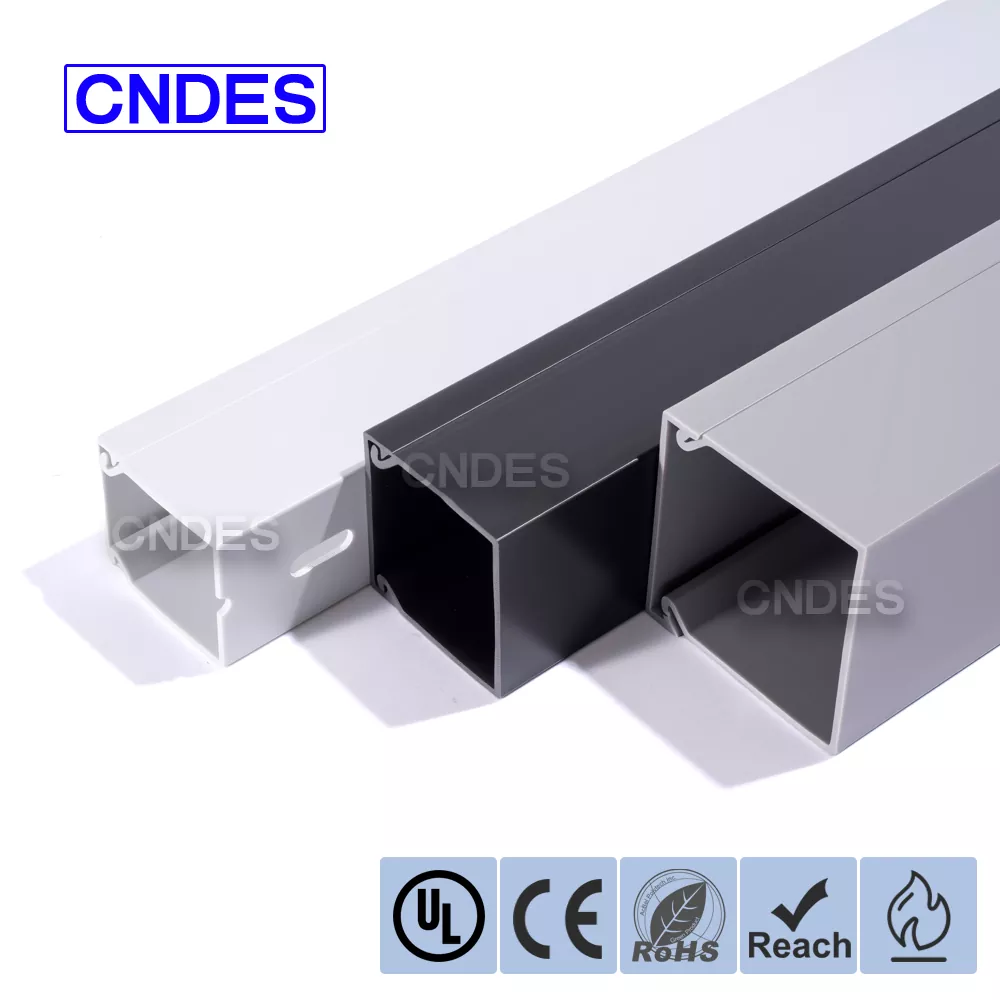
Electrical codes prioritize safety, and Fully Enclosed Cable Duct systems are specified to mitigate key risks:
-
Physical Damage Protection: Codes require mechanical protection where cables are susceptible to impact, crushing, or unauthorized tampering.
-
Environmental Sealing: In areas with dust, moisture, or corrosive elements, enclosed ducts prevent contamination that could lead to insulation degradation or short circuits.
-
Fire Safety: They are often required to maintain fire-rated barriers and prevent the spread of flames or smoke through cable openings.
-
EMI/RFI Shielding: In sensitive settings like data centers or medical facilities, metallic enclosed ducts provide crucial electromagnetic interference shielding.
Typical Applications Mandating Fully Enclosed Cable Ducts
The following table outlines common scenarios where code compliance strongly dictates or requires the use of a Fully Enclosed Cable Duct:
| Application Environment | Code Concern | Typical Requirement |
|---|---|---|
| Industrial Manufacturing Floors | Protection from physical impact, oils, and metal dust | NEC Articles 110.28, 430, & 500 series for hazardous locations |
| Healthcare Facilities (Hospitals) | Life safety system integrity, EMI protection | NEC Article 517, particularly for critical branch circuits |
| Data Centers & Server Rooms | Cable organization, airflow management, trip hazards | Adherence to TIA-942 standards and NEC for high-density cabling |
| Outdoor or Damp Locations | Protection from moisture and UV radiation | NEC Article 225 for outside feeders, Article 300 for general conditions |
| Plenum Spaces (air handling areas) | Prevention of smoke/fume spread in case of fire | Use of plenum-rated (CMP) cables within ducts as per NEC 300.22 |
Fully Enclosed Cable Duct FAQ
What is the main advantage of a CNDES Fully Enclosed Cable Duct over an open tray?
The primary advantage is comprehensive protection. While open trays are for support, CNDES Fully Enclosed Cable Ducts provide a complete barrier against dust, moisture, physical damage, and electromagnetic interference, ensuring system reliability and code compliance in demanding applications.
Can I add or remove cables easily in a Fully Enclosed Cable Duct system?
Yes. Modern designs from CNDES feature removable or hinged covers that allow for easy access, facilitating cable additions, removals, or routine inspections without compromising the system's protective integrity.
How do I select the correct size and material for my project?
Selection depends on cable fill capacity, environmental exposure, and code requirements. CNDES offers a range of sizes in materials like galvanized steel for EMI shielding and durability, or PVC for corrosion resistance. Consulting CNDES specifications and applicable codes with a professional is recommended.
Ensuring your project meets all safety codes is non-negotiable. As demonstrated, in numerous critical and high-risk environments, the use of a Fully Enclosed Cable Duct is not just a best practice—it’s a code-mandated necessity. Investing in a certified system from a trusted manufacturer like CNDES safeguards your installation, reduces long-term maintenance risks, and provides peace of mind.
Contact us today to discuss your specific application requirements. Let CNDES experts help you select the perfect Fully Enclosed Cable Duct solution for a safe, compliant, and reliable installation.
