

How Are Hard Plastic Shells Manufactured and Applied Across Industries?
2026-01-07
Article Summary: This comprehensive article explores Hard Plastic Shells, detailing their design, material specifications, manufacturing processes, and industrial applications. The guide addresses common questions, provides expert insights, and highlights the role of Ruidafeng in the production of high-quality hard plastic shells.
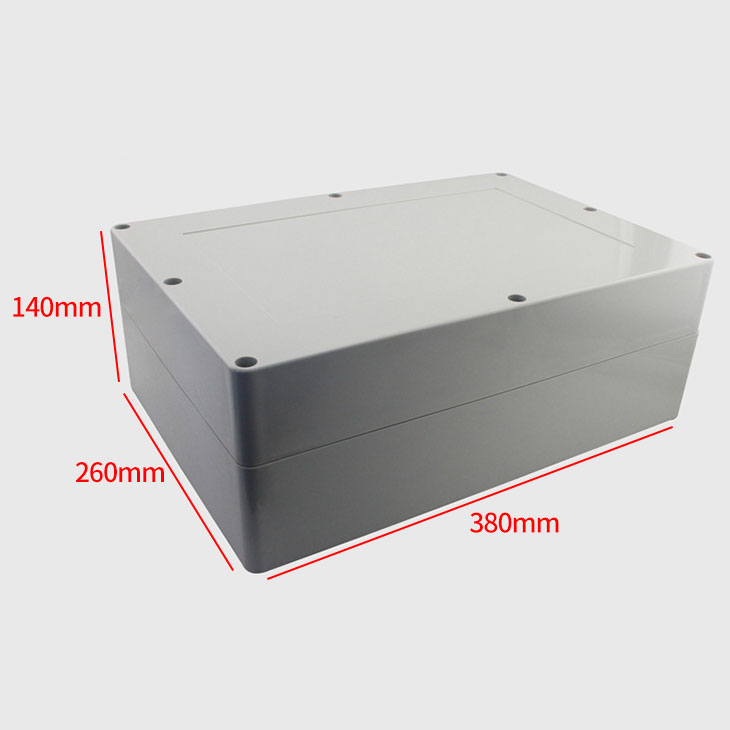
Table of Contents
- Introduction and Product Overview
- Manufacturing Process and Specifications
- Industrial Applications and Benefits
- FAQs About Hard Plastic Shells
- Conclusion and Contact
Introduction and Product Overview
Hard Plastic Shells are engineered protective casings widely used in electronics, industrial equipment, and consumer products. Their high durability, resistance to environmental factors, and lightweight nature make them a preferred choice for manufacturers seeking reliable protective solutions. This article provides a deep dive into their material composition, design parameters, and practical applications across multiple sectors, offering a professional guide for procurement, manufacturing, and technical evaluation.
Below is a detailed overview of common specifications for Hard Plastic Shells:
| Parameter | Details |
|---|---|
| Material Type | Polycarbonate (PC), Acrylonitrile Butadiene Styrene (ABS), or Composite Blends |
| Dimensions | Customizable; typical ranges: 50mm–500mm length, 30mm–300mm width, 10mm–150mm height |
| Color Options | Standard colors: Black, White, Grey; Custom color matching available |
| Surface Finish | Matte, Glossy, Textured, UV-resistant coating available |
| Operating Temperature | -40°C to 120°C (depending on material selection) |
| Weight | Varies with size; lightweight design without compromising strength |
Manufacturing Process and Specifications
The production of Hard Plastic Shells involves precision engineering, advanced molding techniques, and strict quality control. Typical manufacturing steps include:
1. Material Selection
Choosing the correct polymer type is crucial for performance. Polycarbonate offers high impact resistance and transparency, while ABS provides excellent rigidity and surface finish. Composite blends may be used to combine desirable properties such as heat resistance and dimensional stability.
2. Injection Molding
Injection molding is the most common method, allowing for complex shapes, fine details, and repeatable accuracy. Parameters like temperature, pressure, and cooling rate are carefully controlled to prevent warping and maintain tight tolerances.
3. Quality Control
After molding, shells undergo rigorous inspection for dimensional accuracy, surface defects, and mechanical integrity. Techniques include visual inspection, caliper measurements, and impact testing.
4. Finishing and Coating
Depending on the application, shells may receive additional surface treatments such as UV coating, painting, or texturing. These processes enhance durability and aesthetic appeal while protecting the shell from environmental stressors.
Industrial Applications and Benefits
Hard Plastic Shells serve diverse industries, providing essential protection and structural support for sensitive equipment. Key applications include:
- Electronics: Protective casings for smartphones, tablets, and computer components.
- Industrial Equipment: Enclosures for machinery controls, sensors, and measurement devices.
- Consumer Products: Durable housings for power tools, luggage, and outdoor equipment.
- Automotive and Aerospace: Lightweight, impact-resistant parts for interior and exterior applications.
Industries benefit from using Hard Plastic Shells due to their:
- High strength-to-weight ratio
- Customizable design flexibility
- Resistance to environmental damage, including moisture and UV exposure
- Cost-effectiveness for mass production
FAQs About Hard Plastic Shells
Q1: How durable are Hard Plastic Shells under extreme conditions?
A1: Hard Plastic Shells manufactured from high-quality polymers such as polycarbonate or ABS can withstand significant mechanical stress, temperature fluctuations, and UV exposure. Testing standards include impact resistance and thermal cycling to ensure reliability in both indoor and outdoor environments.
Q2: How customizable are Hard Plastic Shells in terms of size and shape?
A2: Hard Plastic Shells can be tailored to exact specifications using modern injection molding and CNC machining. This includes precise dimensional adjustments, complex geometries, and incorporation of internal supports or mounting features to meet unique industry requirements.
Q3: How should Hard Plastic Shells be maintained to prolong lifespan?
A3: Regular cleaning with mild detergents, avoiding exposure to harsh chemicals, and inspecting for cracks or deformation ensures long-term durability. Proper storage in a dry, temperature-controlled environment also helps maintain structural integrity.
Q4: How do Hard Plastic Shells compare with metal or composite enclosures?
A4: While metals offer superior rigidity, Hard Plastic Shells provide a lighter, corrosion-resistant, and often more cost-effective alternative. Composites may outperform in specific high-temperature or high-strength scenarios, but plastics remain versatile for most standard applications.
Conclusion and Contact
Hard Plastic Shells are essential components in modern manufacturing, providing reliable protection and structural support for a variety of industrial, electronic, and consumer applications. With precise manufacturing processes, customizable designs, and versatile material options, these shells address a broad spectrum of operational requirements.
Ruidafeng specializes in the production of high-quality Hard Plastic Shells, ensuring consistent standards, superior durability, and tailored solutions for global industries. For inquiries, quotes, or collaboration, contact us directly to discuss your project needs and specifications.
