

How Can Plastic Mold Technology Revolutionize Manufacturing Efficiency?
2025-09-11
In today’s rapidly evolving manufacturing industry, precision, efficiency, and scalability are key drivers of success. One of the most transformative innovations that have significantly shaped modern production is the Plastic Mold. Whether in automotive, electronics, consumer goods, or medical devices, plastic molds serve as the backbone of high-volume, high-precision manufacturing.
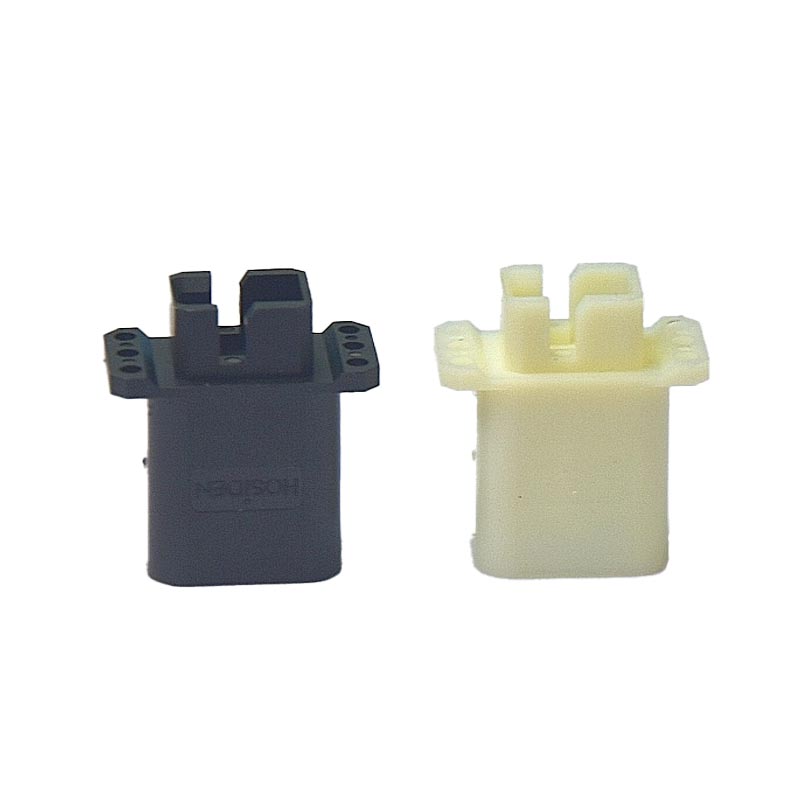
Understanding Plastic Molds and Their Significance
Plastic molds, also known as injection molds, are specialized tools used to shape molten plastic into desired forms. The process involves injecting high-temperature plastic into a carefully engineered mold cavity, where it cools and solidifies into a precise shape. This technology allows manufacturers to produce complex components with exceptional accuracy and repeatability.
Key Advantages of Plastic Molding
-
High Precision and Consistency – Modern molds can create components with tolerances as tight as 0.01 mm, ensuring that each piece meets stringent quality standards.
-
Mass Production Capability – Once a mold is created, it can be used to produce thousands or even millions of identical parts, making it highly cost-effective for large-scale manufacturing.
-
Material Versatility – From ABS and polypropylene to polycarbonate and nylon, plastic molding supports a wide variety of thermoplastics, offering flexibility in product design and performance.
-
Complex Geometry – Injection molds can produce intricate shapes that would be difficult or impossible to achieve through machining or manual fabrication.
-
Reduced Material Waste – Unlike subtractive manufacturing, molding only uses the necessary amount of plastic, minimizing scrap and environmental impact.
The integration of plastic molds into production lines not only enhances output but also ensures that products maintain uniform quality across multiple batches.
Detailed Product Specifications and Parameters
To maximize performance, plastic molds are engineered with precise specifications tailored to specific production requirements. Below is a table summarizing typical parameters for high-quality molds:
| Parameter | Description |
|---|---|
| Material | Hardened steel, aluminum, or nickel-plated steel |
| Mold Type | Two-plate, three-plate, hot runner, cold runner |
| Cavities | Single or multi-cavity molds to optimize production output |
| Tolerance | ±0.01 mm for critical components |
| Cooling System | Water or oil channels integrated to accelerate cycle time |
| Surface Finish | Polished, textured, or mirror-finish depending on product requirements |
| Injection Pressure | 800–1500 bar depending on plastic type |
| Cycle Time | 15–120 seconds depending on part complexity and mold design |
| Lifespan | 500,000–2,000,000 cycles depending on maintenance and material selection |
| Compatibility | Compatible with a wide range of thermoplastics |
These parameters are crucial for determining mold efficiency, longevity, and the quality of the final plastic components. Each element, from cavity design to cooling channels, is optimized to reduce cycle time while maintaining part precision.
The Manufacturing Process
Plastic molding is more than just pouring molten plastic into a mold. It requires meticulous planning and engineering:
-
Design Phase – CAD software is used to design molds with precise dimensions, including allowances for shrinkage, draft angles, and flow patterns.
-
Mold Fabrication – CNC machining and EDM (Electrical Discharge Machining) are employed to create the mold components with exceptional precision.
-
Injection Process – Plastic pellets are heated until molten and injected into the mold cavity under high pressure.
-
Cooling and Ejection – The mold is cooled using integrated channels, and the solidified part is ejected.
-
Quality Control – Each component undergoes rigorous inspection to verify dimensional accuracy and surface finish.
By optimizing each stage, manufacturers can achieve unparalleled efficiency and consistency in production.
Frequently Asked Questions About Plastic Molds
1. What factors affect the lifespan of a plastic mold?
The lifespan of a plastic mold depends on multiple factors, including the mold material, design complexity, maintenance schedule, and the type of plastic used. Steel molds generally last longer than aluminum molds due to higher resistance to wear and thermal fatigue. Regular maintenance, such as cleaning, lubrication, and inspection of critical components, ensures consistent performance. Additionally, the use of high-quality plastics reduces the risk of abrasion and degradation inside the mold cavity.
2. How can manufacturers improve the efficiency of plastic molding?
Efficiency can be enhanced by optimizing mold design and processing parameters. Incorporating multi-cavity molds allows simultaneous production of multiple parts. Efficient cooling channels reduce cycle times, while precise injection pressures prevent defects such as warping or sink marks. Implementing automated ejection systems and robotic handling can further streamline production, minimizing downtime and human error. Regular monitoring and preventive maintenance also extend mold life and maintain consistent output quality.
Why Choose Qiren for Plastic Mold Solutions?
The choice of a reliable and experienced partner can make all the difference in plastic mold manufacturing. Qiren has over 20 years of expertise in delivering high-precision molds for various industries, from consumer electronics to automotive components. Their molds are engineered to meet strict international quality standards, ensuring durability, efficiency, and repeatable accuracy.
Qiren offers comprehensive services, including mold design, fabrication, and maintenance, enabling clients to achieve superior manufacturing performance. By leveraging advanced CNC machining, precision EDM, and optimized cooling systems, Qiren molds provide maximum efficiency and minimal material waste.
For manufacturers looking to improve production capacity, reduce costs, and ensure consistent product quality, Qiren stands out as a trusted partner in plastic mold solutions.
Contact us today to discuss your plastic mold requirements and explore tailored solutions that elevate your manufacturing capabilities.
