

How Do Polarized Cycling Glasses Shape Safer and Clearer Riding Experiences?
2025-12-25
Article Abstract
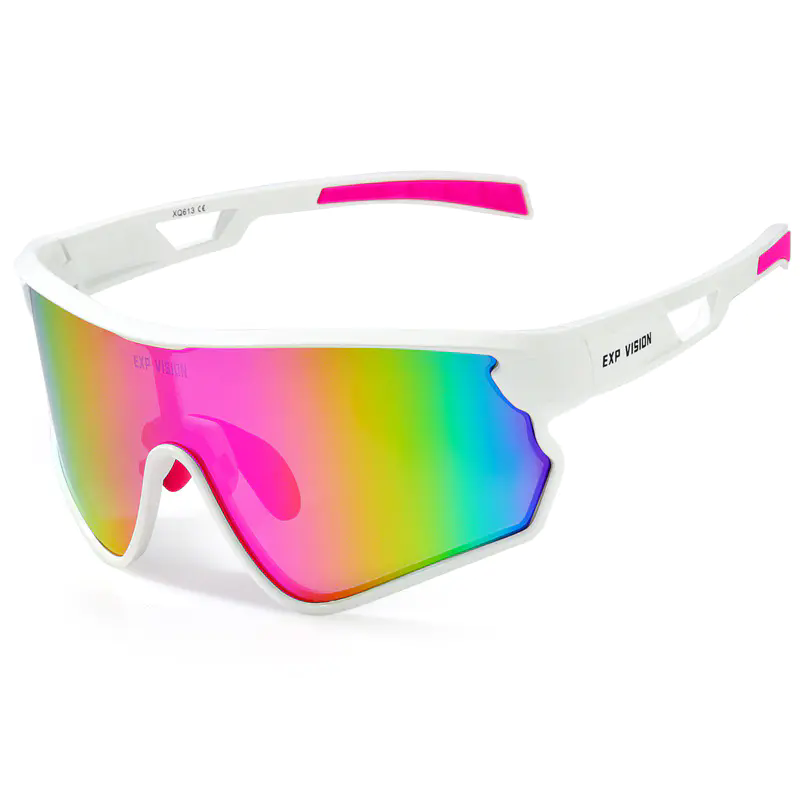
Polarized Cycling Glasses have become an essential category within cycling eyewear, addressing glare control, visual clarity, and eye protection across diverse riding environments. This article provides a comprehensive overview of how polarized cycling glasses function, what technical parameters define high-quality products, and how cyclists can evaluate their performance across road, mountain, and urban cycling scenarios.
Outline
- How Do Polarized Cycling Glasses Work in Real Riding Conditions?
- How Are Product Parameters Defined for Professional Cycling Glasses?
- How Can Cyclists Evaluate Performance Across Different Use Scenarios?
- How Will Polarized Cycling Glasses Evolve in the Future?
Table of Contents
- How Do Polarized Cycling Glasses Work in Real Riding Conditions?
- How Are Product Parameters Defined for Professional Cycling Glasses?
- How Can Cyclists Evaluate Performance Across Different Use Scenarios?
- How Will Polarized Cycling Glasses Evolve in the Future?
How Do Polarized Cycling Glasses Work in Real Riding Conditions?
Polarized Cycling Glasses are engineered to manage reflected light that commonly interferes with visual accuracy during cycling. When sunlight reflects off flat surfaces such as asphalt, water, or vehicle panels, it becomes horizontally polarized glare. Polarized lenses incorporate a vertical filter layer that selectively blocks this reflected light while allowing useful vertical light to pass through.
In cycling environments, this mechanism directly impacts reaction time and visual comfort. Road cyclists benefit from reduced surface glare when scanning pavement conditions at high speed, while mountain cyclists experience improved depth perception on uneven terrain. Urban commuters gain clearer vision in traffic-dense areas where reflective surfaces are abundant.
By addressing glare at the optical level rather than through simple dark tinting, polarized cycling glasses support long-duration rides without inducing excessive eye fatigue.
How Are Product Parameters Defined for Professional Cycling Glasses?
Evaluating Polarized Cycling Glasses requires an understanding of their core technical parameters. These specifications define durability, optical accuracy, and adaptability to cycling-specific demands.
| Parameter | Specification Description |
|---|---|
| Lens Material | Typically TAC or polycarbonate, offering impact resistance and lightweight performance. |
| Polarization Efficiency | Measured by glare reduction rate, commonly exceeding 99% for professional-grade lenses. |
| UV Protection | UV400 standard, blocking UVA and UVB radiation to protect ocular health. |
| Frame Material | TR90 or similar flexible polymers designed for vibration resistance and long-term wear. |
| Lens Curvature | Base 8 curvature for wraparound coverage and peripheral vision stability. |
| Ventilation Design | Integrated airflow channels to minimize fogging during high-output riding. |
These parameters collectively define whether polarized cycling glasses can meet professional cycling requirements rather than serving as casual eyewear.
How Can Cyclists Evaluate Performance Across Different Use Scenarios?
Performance assessment varies depending on cycling discipline and environmental exposure. Polarized Cycling Glasses must demonstrate consistent optical behavior under fluctuating light conditions.
Road Cycling: Stable contrast enhancement and glare reduction support early detection of road debris and surface changes.
Mountain Biking: Enhanced depth perception assists riders in interpreting shadows, roots, and terrain contours.
Urban Commuting: Polarization reduces windshield and metallic reflections, improving situational awareness in traffic.
Common Questions About Polarized Cycling Glasses
How do polarized cycling glasses differ from standard sunglasses?
Polarized cycling glasses incorporate a directional light filter that specifically eliminates reflected glare, whereas standard sunglasses primarily reduce overall brightness without addressing glare polarization.
How do polarized lenses affect visibility in changing light?
High-quality polarized lenses maintain balanced light transmission, allowing riders to adapt to intermittent shade and direct sunlight without sudden visual distortion.
How should polarized cycling glasses be maintained for long-term use?
Proper maintenance includes cleaning with non-abrasive cloths, avoiding prolonged heat exposure, and storing in protective cases to preserve lens coatings.
How Will Polarized Cycling Glasses Evolve in the Future?
The future of Polarized Cycling Glasses is closely linked to material science and optical engineering. Advancements are expected in adaptive polarization layers, improved scratch resistance, and integration with prescription inserts without compromising lens performance.
As cycling participation expands globally, eyewear design is also shifting toward modular systems that accommodate diverse face shapes and riding styles. Sustainability considerations are influencing frame materials and manufacturing processes, aligning cycling eyewear with broader environmental standards.
Within this evolving landscape, brands such as EXP VISION continue to refine polarized cycling glasses by balancing optical precision, ergonomic design, and long-term durability for demanding riders.
For detailed specifications, customized solutions, or professional consultation regarding polarized cycling glasses, inquiries are welcome. Contact us to explore how tailored eyewear solutions can support cycling performance across varied environments.
