

How Does a Cloth Rubber Tube Meet Industrial and Performance Needs?
2026-01-27
Article Summary
Cloth rubber tubes are a category of reinforced rubber tubing designed to handle demanding industrial environments by combining rubber’s flexibility with textile reinforcement’s strength. This article explores how cloth rubber tubes are constructed, why they matter in heavy-duty applications, key material properties, practical selection factors, and common questions industrial users face when evaluating hose solutions. By providing clarity on performance expectations and real-world use cases, this guide helps engineers, procurement teams, and maintenance planners reduce downtime and optimize system reliability.
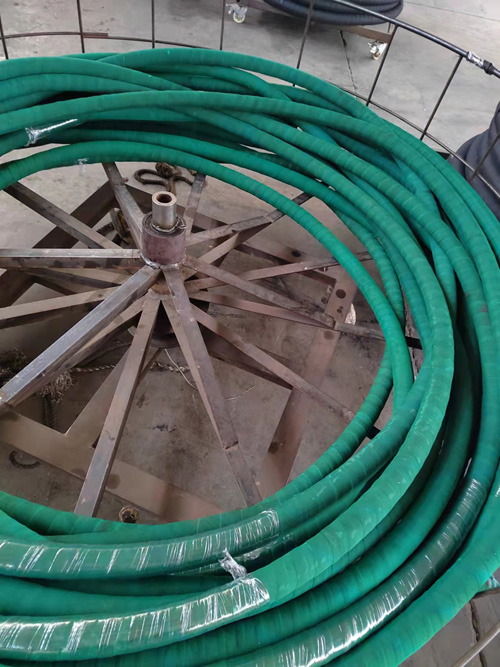
Table of Contents
- Overview of Cloth Rubber Tube Fundamentals
- Materials and Reinforcement Logic
- Performance Characteristics and Parameters
- Application Scenarios in Industry
- Selection Criteria for Industrial Use
- Cloth Rubber Tube FAQ
- Conclusion and Contact Us Information
Overview of Cloth Rubber Tube Fundamentals
Cloth rubber tubes are flexible conduits composed of elastomeric rubber and woven fabric reinforcement integrated into the tube structure. The woven textile layer enhances mechanical strength, pressure tolerance, and dimensional stability under load, while the rubber matrix ensures flexibility and sealing performance across temperature fluctuations.
In industrial systems where fluid conveyance, pressure cycles, and abrasion resistance matter, cloth rubber tubes outperform basic rubber tubes by offering a balance of resilience, abrasion resistance, and operational durability. These design principles make them suitable for a wide range of industrial tasks, from air and water transport to heavy material discharge in manufacturing and construction environments.
Materials and Reinforcement Logic
Cloth rubber tubes are differentiated by material composition and reinforcement strategies. The inner elastomer may be selected for chemical resistance, temperature tolerance, or flexibility, while the textile layer provides structural support to resist internal pressure and mechanical bending stress. Typical materials and reinforcement approaches include:
| Component | Typical Material | Functional Benefit |
|---|---|---|
| Inner Tube | NBR, EPDM, SBR rubber | Fluid compatibility, sealing |
| Reinforcement Layer | Cotton fabric or synthetic textile | Load distribution and strength |
| Outer Cover | Rubber compound with abrasion-resistant finish | Environmental protection |
By embedding textile reinforcement between rubber layers, cloth rubber tubes retain essential elasticity while maintaining pressure capacity and resistance to mechanical wear. These construction advantages directly address user pain points such as early failure from abrasion, pressure cycling fatigue, and unexpected environmental damage.
Performance Characteristics and Parameters
Understanding key performance metrics helps industrial buyers and engineers align product choice with application demands. Below are typical performance considerations tied to cloth rubber tubes:
- Pressure Rating: Reinforcement with textile braids or plies increases internal pressure resistance compared to non-reinforced tubes, making them suitable for medium and heavy duty transfer tasks.
- Temperature Range: The rubber compound defines the operating temperature window; appropriate formulations offer stable performance across both low and high temperature extremes.
- Flexibility: Rubber’s intrinsic elasticity enables flexibility without kink formation, essential in dynamic installations with frequent movement.
- Durability: Textile reinforcement combined with abrasion-resistant outer covers reduces wear in high-friction environments.
These performance aspects directly correlate with reduced downtime and maintenance costs in industrial systems where reliability is critical.
Application Scenarios in Industry
Cloth rubber tubes find applications across many sectors due to their versatility and strength. Typical use cases include:
- Manufacturing Plants: Conveyance of water, air, and fluids under varying pressures in assembly lines.
- Agricultural Operations: Flexible transfer hoses for irrigation and slurry movement.
- Construction Sites: Heavy material conveyance such as cement slurry and aggregate mixtures.
- Chemical Processing: Handling of non‐aggressive chemicals with abrasion needs.
In each scenario, cloth rubber tubes help mitigate common industrial pain points by providing rugged performance where rigid conduits or simple rubber hoses fall short.
Selection Criteria for Industrial Use
Selecting the right cloth rubber tube involves matching performance requirements with material properties. Key criteria to evaluate include:
- Fluid Compatibility: Ensure the elastomer selected (e.g., NBR for oils, EPDM for steam and water) is chemically compatible with the intended fluid.
- Pressure and Temperature Ratings: Confirm the reinforced hose meets or exceeds expected operating pressures and environmental thermal conditions.
- Abrasion Resistance: Outer covers with abrasion-resistant rubber compounds improve lifespan in high wear zones.
- Flexibility and Bend Radius: Consider installation constraints; hoses that kink easily compromise flow and lifetime.
A disciplined selection approach minimizes premature failures and contributes to stable system performance.
Cloth Rubber Tube FAQ
Q: What is a cloth rubber tube used for?
A: Cloth rubber tubes are used to convey fluids, air, and abrasive media in industrial environments where flexibility, pressure capacity, and abrasion resistance are required.
Q: How does textile reinforcement improve tube performance?
A: Textile layers increase internal strength and pressure tolerance, distribute load across the tube wall, and reduce fatigue under bending and vibration, extending service life.
Q: Can cloth rubber tubes operate at high temperatures?
A: Performance at elevated temperatures depends on the selected rubber compound; certain formulations maintain flexibility and resistance at high and low temperatures.
Q: How should cloth rubber tubes be maintained?
A: Routine inspection for abrasion, kinks, and material degradation, plus proper installation practices, ensure longevity and reduce unplanned replacements.
Conclusion and Contact Us Information
Cloth rubber tubes provide a practical solution to many industrial conveyance challenges by combining rubber flexibility with textile reinforcement strength. Their tailored material construction and performance benefits make them suitable for demanding environments where durability and operational stability matter most. By considering fluid compatibility, pressure ratings, and environmental conditions when selecting hose solutions, industrial teams can reduce maintenance costs and enhance system uptime.
Fushuo is a reliable manufacturer of cloth rubber tubes, offering customizable solutions aligned to specific industrial demands. For tailored advice, product specifications, or application consultation, contact us and discuss your requirements with our technical experts today.
