

What Are Large-Bore Hoses and Why Are They Essential?
2026-01-08
Summary: Large-bore hoses are critical components in various industrial and hydraulic applications. This article explores their construction, applications, benefits, selection criteria, and maintenance practices, providing a comprehensive guide to help industries maximize efficiency and safety.
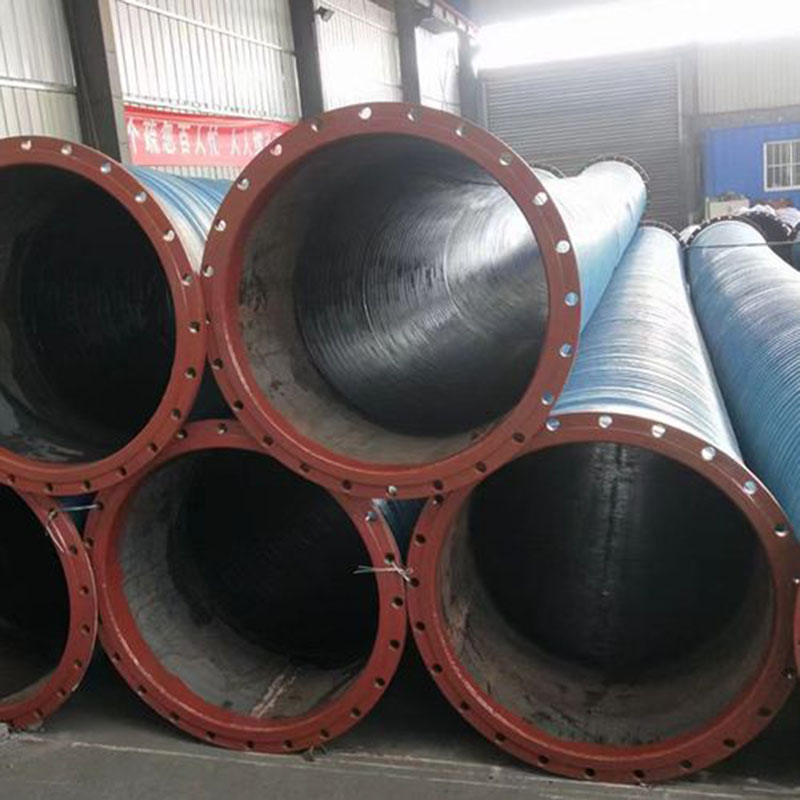
Table of Contents
- Overview of Large-Bore Hoses
- Construction and Materials
- Applications in Industry
- How to Choose the Right Large-Bore Hose
- Maintenance and Safety Tips
- Frequently Asked Questions
- Contact Us
Overview of Large-Bore Hoses
Large-bore hoses are specialized hoses with a wide internal diameter designed to transport fluids efficiently under high pressure. These hoses are commonly used in hydraulic systems, chemical transfer, and construction operations requiring durable and flexible fluid conveyance solutions. Their robust design ensures reliable performance in demanding environments.
Construction and Materials
The design of large-bore hoses involves multiple layers to balance flexibility, strength, and chemical resistance:
- Inner Layer: Resistant to the conveyed fluid, typically made of synthetic rubber or thermoplastic material.
- Reinforcement Layers: Steel wire braids or textile layers that provide strength and withstand high pressure.
- Outer Layer: Protects against abrasion, UV exposure, and environmental factors.
| Component | Material | Purpose |
|---|---|---|
| Inner Layer | Synthetic Rubber / Thermoplastic | Resists fluid chemicals |
| Reinforcement | Steel Wire / Textile | High-pressure resistance |
| Outer Layer | Rubber / Protective Coating | Durability and environmental protection |
Applications in Industry
Large-bore hoses serve diverse industrial applications including:
- Hydraulic Systems: Efficient transmission of hydraulic fluids and oil under high pressure.
- Chemical Transfer: Conveying acids, solvents, and other chemical liquids safely.
- Construction and Mining: Transport of water, concrete, or slurry.
- Marine Operations: Fuel transfer and dredging activities requiring flexibility and durability.
How to Choose the Right Large-Bore Hose
Selecting the correct hose involves considering the following factors:
- Fluid Compatibility: Ensure inner materials resist the conveyed liquids.
- Pressure Rating: Verify working and burst pressure meet system requirements.
- Temperature Range: Choose hoses that operate safely within the expected temperature spectrum (-40°C to +100°C typical).
- Bend Radius and Flexibility: Ensure the hose fits in the intended layout without excessive stress.
- Durability Needs: Consider outer layer abrasion resistance for rugged environments.
Maintenance and Safety Tips
Proper maintenance extends hose life and ensures operational safety:
- Regular inspection for wear, cracks, or leaks.
- Clean hoses after chemical use to prevent corrosion.
- Replace worn or damaged hoses immediately.
- Store in a cool, dry place away from sunlight and sharp edges.
- Follow pressure and temperature limits specified by manufacturers.
Frequently Asked Questions
-
Q: How long do large-bore hoses last?
A: Lifespan varies by application and maintenance; proper care can extend it up to several years. -
Q: Can these hoses handle abrasive fluids?
A: Yes, reinforced hoses with wear-resistant outer layers are designed for abrasive media. -
Q: Are large-bore hoses flexible enough for tight installations?
A: Modern designs balance strength and flexibility, but minimum bend radius must always be respected.
Contact Us
Fushuo provides high-quality large-bore hoses for a variety of industrial applications. For more information, product inquiries, or customized solutions, contact us today and let our experts assist you in selecting the perfect hose for your needs.
