
What Causes Rubber Seals to Degrade and Crack Over Time
2025-12-04
A Rubber Seal is a critical component in countless systems, from your car's engine to industrial machinery. Its failure can lead to leaks, downtime, and costly repairs. Understanding why these seals degrade is key to preventing it. At Liangju, we engineer seals to withstand these very challenges, ensuring long-term performance and reliability.
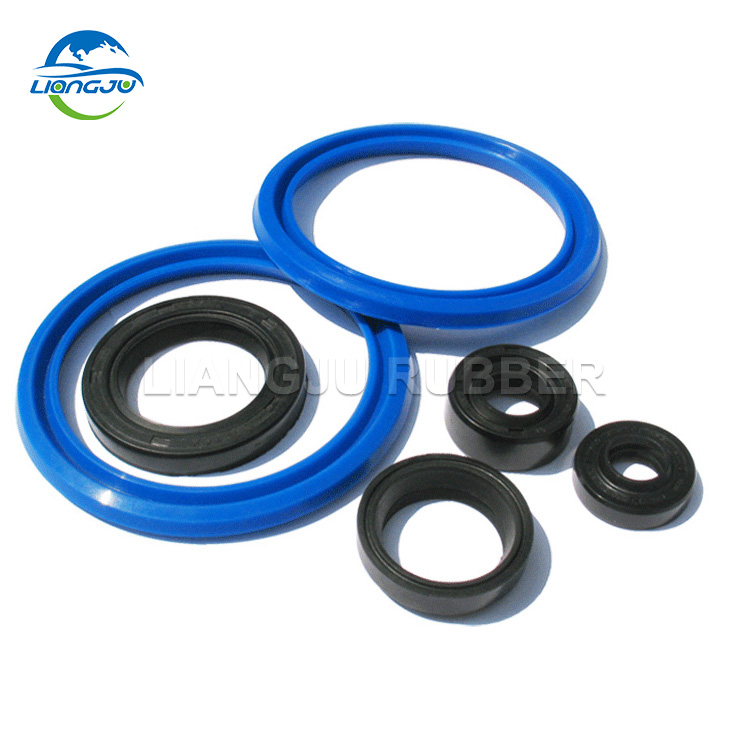
The primary enemies of rubber are environmental and operational stresses. Here are the most common causes of degradation:
-
Thermal Stress: Constant exposure to high temperatures accelerates oxidation, making rubber brittle. Low temperatures can cause seals to harden and lose elasticity.
-
Chemical Exposure: Contact with oils, solvents, acids, or ozone attacks the polymer chains, causing swelling, softening, or cracking.
-
Improper Material Selection: Using a seal material incompatible with the application media is a leading cause of premature failure.
-
Physical Wear and Abrasion: Friction, pressure, and dynamic movement can physically wear down the seal surface over time.
-
Installation Errors: Incorrect sizing, twisting (nip), or damage during installation create immediate weak points.
Liangju products are specifically formulated to combat these issues. Key parameters we optimize include:
| Parameter | Liangju's Focus | Benefit |
|---|---|---|
| Material Compound | Advanced EPDM, NBR, Silicone, FKM | Superior resistance to heat, weather, oils, and chemicals. |
| Temperature Range | Tailored from -60°C to +300°C | Maintains elasticity and sealing force in extreme environments. |
| Hardness (Shore A) | Precision-controlled from 40 to 90 | Ensures perfect compression set and load-bearing capability. |
| Compression Set | Excellent, low-set formulations | Retains original shape and sealing force longer, preventing leaks. |
Rubber Seal FAQ
Q: How can I tell if my rubber seal needs replacing?
A: Visible signs include cracking, hardening, flattening (permanent compression set), swelling, or brittleness. Any leak is a definitive indicator. For critical applications, proactive replacement based on service hours is recommended.
Q: Can I lubricate a rubber seal to make it last longer?
A: Yes, but only with a compatible lubricant. Use silicone-based or PTFE sprays specifically designed for elastomers. Avoid petroleum-based greases on seals like NBR, as they can cause swelling and damage.
Q: What is the single most important factor in choosing a rubber seal?
A: Chemical compatibility. The seal material must be resistant to the specific fluid or gas it will contact. At Liangju, our technical team can help you select the perfect compound for your media.
Don't let seal degradation compromise your operations. The right knowledge, paired with the right product, is your best defense. For seals engineered to resist cracking and last longer under pressure, trust the expertise of Liangju.
Contact us today with your application details. Our specialists will help you select or customize the optimal Rubber Seal for your needs, ensuring maximum durability and performance.
