

What Makes Cable Glands the Backbone of Modern Electrical and Industrial Systems?
2025-11-04
In today’s industrial and commercial environments, Cable Glands play an indispensable role in ensuring the safety, efficiency, and longevity of electrical systems. A cable gland is a device designed to attach and secure the end of an electrical cable to equipment. It provides strain relief and connects by sealing the cable’s outer sheath, ensuring that no dust, dirt, moisture, or other contaminants enter the enclosure.
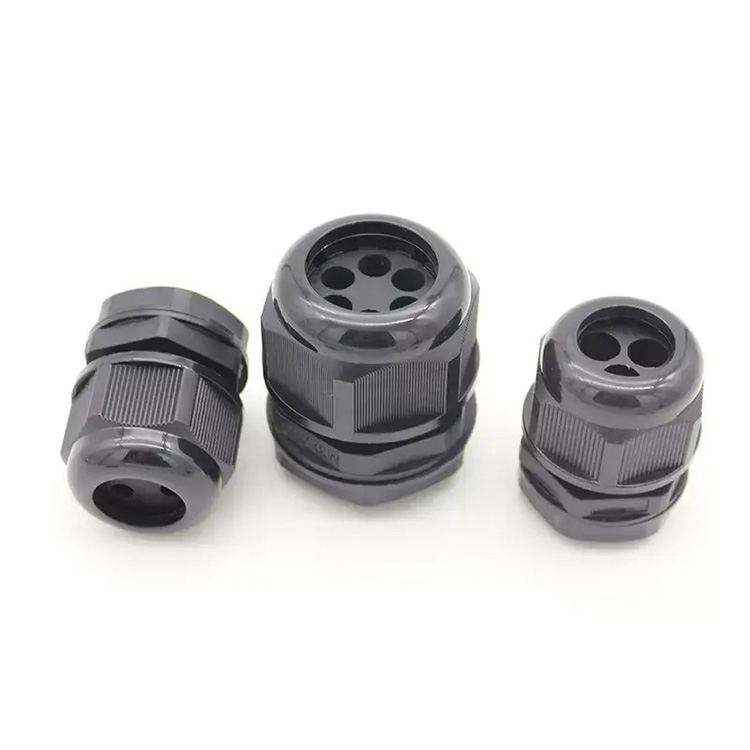
Cable glands are widely used in various applications—from manufacturing plants and renewable energy facilities to automation systems and telecommunications infrastructure. They are critical for maintaining electrical integrity in harsh and demanding environments.
The core purpose of a cable gland is to provide a secure connection that maintains the ingress protection (IP) rating of the enclosure. In hazardous areas, such as oil and gas plants, this feature becomes even more critical to prevent potential explosions or short circuits. Beyond protection, they also help with cable management, allowing a neater and safer wiring system.
Key Product Overview:
Cable glands are typically made from materials such as brass, stainless steel, nylon, or aluminum, each offering distinct advantages. The choice depends on the installation environment and required protection level.
Below is a detailed list of the technical parameters that define a high-performance cable gland:
| Parameter | Specification Range | Description |
|---|---|---|
| Material | Brass, Nickel-plated Brass, Stainless Steel, Nylon PA66 | Determines corrosion resistance and strength |
| Thread Standard | Metric (M), PG, NPT, G | Fits different equipment and international standards |
| Clamping Range | 3mm – 75mm | Defines compatible cable diameters |
| Sealing Material | EPDM, NBR, Silicone | Ensures watertight and dustproof sealing |
| Protection Level | IP65 / IP68 / IP69K | Indicates resistance to dust and water |
| Temperature Resistance | -40°C to +100°C (short-term up to 120°C) | Defines safe operational temperature range |
| Explosion-proof Option | Available | Meets ATEX or IECEx standards for hazardous areas |
| Color | Black, Gray, Metallic | Aesthetic and functional identification purposes |
Cable glands that meet IP68 or IP69K standards are ideal for outdoor applications or environments exposed to water jets, vibrations, and temperature variations.
Why Do Industries Choose Cable Glands Over Traditional Cable Sealing Methods?
As technology advances, industries demand higher standards for safety, reliability, and environmental protection. Cable glands are not just connectors; they are precision-engineered components that offer several advantages over conventional cable sealing techniques.
Major Advantages of Cable Glands:
-
Superior Protection:
Cable glands provide advanced sealing that keeps out moisture, oil, dust, and other foreign materials. This protection maintains the enclosure’s IP rating and prevents electrical faults caused by contamination. -
Enhanced Cable Longevity:
By minimizing mechanical strain, cable glands extend the service life of cables. They prevent cable twisting, bending, and pulling, ensuring long-term stability and safety. -
Versatility and Compatibility:
Available in multiple materials, thread types, and sealing ranges, cable glands fit seamlessly into various applications—industrial machinery, automation systems, offshore platforms, and renewable energy setups. -
Safety in Hazardous Environments:
Explosion-proof and flame-retardant cable glands are crucial in industries such as oil & gas, mining, and chemical processing, where electrical integrity can mean the difference between safety and catastrophe. -
Ease of Installation and Maintenance:
Modern cable gland designs are engineered for quick assembly and disassembly, saving installation time and reducing maintenance costs. -
Compliance with International Standards:
High-quality cable glands adhere to global standards like IEC, UL, CSA, and ATEX, ensuring compatibility and safety across international installations.
Common Materials and Their Use Cases:
-
Brass or Nickel-Plated Brass: Ideal for general industrial use; corrosion-resistant and durable.
-
Stainless Steel: Preferred for marine, offshore, and food industry applications due to high corrosion resistance.
-
Nylon (Polyamide): Lightweight, cost-effective, and suitable for indoor or non-hazardous environments.
These properties explain why cable glands have replaced traditional methods like simple sealing bushings or cable ties in high-performance installations.
How Are Cable Glands Evolving with Future Industry Trends?
The cable gland market is undergoing a transformation fueled by advancements in technology, materials, and sustainability. As industries continue to automate and digitalize, the demand for reliable cable protection and connectivity solutions is increasing.
Emerging Trends Shaping the Future of Cable Glands:
-
Smart Manufacturing and Automation:
In smart factories, cable glands are being designed to support data transmission cables (like Ethernet and fiber optics) with minimal interference, ensuring seamless communication between industrial devices. -
Sustainable Materials:
The push for eco-friendly manufacturing is leading to the development of recyclable and halogen-free glands, reducing environmental impact while maintaining durability. -
Miniaturization for Compact Devices:
As electrical devices become smaller, cable glands are evolving with reduced dimensions without compromising sealing performance. -
Explosion-Proof Innovations:
With growing safety regulations in petrochemical and mining industries, ATEX and IECEx certified glands are becoming the global standard for hazardous environments. -
Enhanced Durability and Resistance:
Modern designs focus on improving resistance against UV exposure, extreme temperature changes, and chemical corrosion, making them suitable for outdoor and offshore applications.
Market Insight:
The global cable gland market is projected to expand steadily, driven by renewable energy projects, electric vehicle infrastructure, and industrial automation systems. Manufacturers are focusing on product differentiation through superior sealing performance, modular designs, and compliance with emerging standards.
4. Frequently Asked Questions About Cable Glands
Q1: How do I choose the right cable gland for my installation?
A1: The selection depends on several factors including cable diameter, installation environment, thread type, and IP protection requirement. For outdoor or wet environments, select a gland with IP68 or IP69K rating. For hazardous areas, always choose explosion-proof certified glands such as ATEX or IECEx types. The material choice also matters—brass and stainless steel for industrial use, nylon for lightweight applications.
Q2: Can cable glands be reused after installation?
A2: Reuse is generally not recommended because the sealing components (such as O-rings and gaskets) may lose elasticity after compression. If reused, the gland’s waterproofing and strain relief capability could be compromised. For maximum reliability, it’s advisable to use a new gland during reinstallation, ensuring all seals and components are intact.
Conclusion: How YEGE Cable Glands Redefine Performance and Reliability
Cable glands are the unsung heroes of modern electrical systems—protecting connections, extending cable life, and ensuring operational safety. Their versatility across industries, combined with advances in materials and sealing technology, makes them a vital component in future-ready installations.
YEGE is dedicated to delivering premium-grade cable glands that meet the highest standards of durability, safety, and precision engineering. With a focus on quality materials, strict testing procedures, and customer-centric design, YEGE provides solutions that guarantee stability even in the most demanding environments.
For professional-grade protection and long-lasting performance, contact us today to learn more about how YEGE Cable Glands can enhance your electrical system’s reliability and safety.
