

What Makes Composite Pipe the Future of Fluid Transport Systems?
2025-11-11
Composite pipes are advanced piping systems designed by combining two or more distinct materials to achieve enhanced strength, corrosion resistance, and performance. Unlike conventional metal or plastic pipes, composite pipes are engineered with layers—typically featuring a polymer base reinforced with fibers such as glass, carbon, or aramid. This combination delivers high mechanical strength, thermal stability, and chemical resistance, making them suitable for demanding environments such as oil and gas pipelines, chemical plants, water supply systems, and industrial facilities.
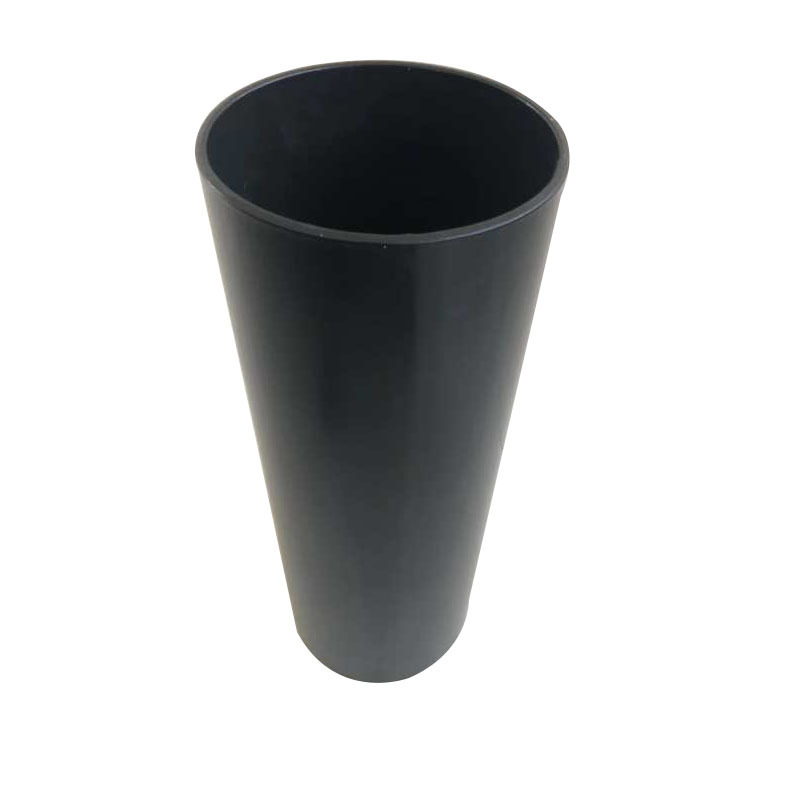
The primary goal of using composite materials in piping systems is to overcome the limitations of traditional materials. While steel offers high strength, it suffers from corrosion and heavy weight. Plastic pipes, though lightweight, often lack the required pressure-bearing capacity. Composite pipes, on the other hand, bridge these gaps, offering the best of both worlds—durability and lightness.
Composite pipes are increasingly being adopted in industries requiring long service life, reduced maintenance, and sustainability. Their superior resistance to internal and external corrosion significantly extends their lifespan, even in harsh marine or underground conditions. Moreover, the smooth inner surface minimizes fluid friction, leading to improved flow efficiency and reduced energy costs.
Typical Product Parameters of Composite Pipe
| Parameter | Description |
|---|---|
| Material Composition | Polymer matrix (e.g., HDPE, epoxy, or thermoset resin) reinforced with fiberglass, carbon fiber, or aramid fiber |
| Diameter Range | 25 mm – 1200 mm |
| Pressure Rating | Up to 32 bar (varies by design and application) |
| Operating Temperature | -40°C to +120°C |
| Corrosion Resistance | Excellent against acids, alkalis, salts, and hydrocarbons |
| Lifespan | 50 years or more under standard conditions |
| Installation Type | Buried, above-ground, or submerged |
| Applications | Water transport, gas distribution, chemical pipelines, oil industry, marine applications |
Composite pipes also play a crucial role in reducing installation costs. Their lightweight structure makes them easier to handle and transport, decreasing labor and machinery expenses. Additionally, they are compatible with different joining methods, including adhesive bonding, mechanical couplings, and heat fusion, enhancing their adaptability across diverse industrial needs.
Why Are Composite Pipes More Advantageous Than Traditional Piping Systems?
Composite pipes offer a wide range of advantages that make them increasingly popular across multiple industries. These advantages are not only technical but also economic and environmental.
1. Superior Strength-to-Weight Ratio
Composite pipes combine high tensile strength with low weight. This means that while they can handle the same pressure as steel pipes, they weigh only a fraction, making transportation and installation much simpler and more cost-efficient.
2. Corrosion and Chemical Resistance
Traditional metal pipes often corrode or react with transported fluids, leading to leaks or contamination. Composite pipes, however, are naturally resistant to corrosion, oxidation, and chemical attack, allowing them to function reliably even in highly corrosive environments such as offshore platforms or chemical plants.
3. Extended Service Life
Because of their composite structure, these pipes maintain their performance over decades. Their expected lifespan can exceed 50 years with minimal maintenance. This reduces replacement frequency and lowers the total cost of ownership for industries that rely heavily on stable pipeline infrastructure.
4. Low Thermal Conductivity and Energy Efficiency
The non-metallic materials used in composite pipes limit heat transfer, making them more energy-efficient when transporting hot or cold fluids. This feature also minimizes condensation and external thermal losses, improving overall energy conservation.
5. Easy Installation and Low Maintenance
Due to their lightweight and flexible design, composite pipes require fewer joints and fittings. This reduces installation time and costs while minimizing leak risks. Their smooth inner surfaces prevent scale buildup, reducing maintenance requirements and ensuring consistent flow rates throughout their operational lifespan.
6. Eco-Friendly and Sustainable Design
Composite pipes are often recyclable, and their production generates less environmental waste compared to steel manufacturing. Their long service life and minimal need for maintenance also contribute to lower environmental impact across their lifecycle.
7. Design Flexibility
Engineers can tailor the composite structure to meet specific mechanical or chemical demands. This includes modifying the resin type, fiber composition, and wall thickness, allowing custom solutions for specialized industrial environments.
The combined result of these advantages positions composite pipes as the ideal solution for next-generation pipeline systems. Their adaptability and reliability have made them a preferred option for oil refineries, desalination plants, mining operations, and urban infrastructure projects.
How Are Composite Pipes Shaping the Future of Pipeline Technology?
Composite pipe technology is advancing rapidly, driven by global trends toward sustainability, efficiency, and digital monitoring. As infrastructure modernization becomes a global priority, composite materials are expected to play a central role in achieving performance and environmental goals.
1. Integration with Smart Monitoring Systems
Modern composite pipelines are increasingly being fitted with embedded sensors that track parameters like temperature, pressure, and flow rate in real-time. This predictive maintenance approach helps detect potential issues early, minimizing downtime and enhancing operational safety.
2. Development of High-Temperature Composites
Research is now focused on enhancing the heat resistance of composite materials, allowing them to handle fluids at even higher temperatures and pressures. This expansion of capabilities will further replace metal pipelines in sectors like petrochemicals and power generation.
3. Growing Use in Renewable Energy and Water Management
As renewable energy projects and sustainable water infrastructure expand globally, composite pipes are becoming essential components in solar thermal systems, hydrogen transport, and desalination pipelines. Their corrosion-free and long-lasting characteristics make them ideal for these critical applications.
4. Environmental Regulations and Green Construction
Many governments and organizations are emphasizing the use of sustainable construction materials. Composite pipes meet these criteria due to their low environmental footprint, recyclability, and ability to extend infrastructure life cycles without harmful emissions or resource waste.
5. Continuous Material Innovation
Emerging hybrid composites—combining fiberglass, carbon fiber, and advanced polymer matrices—are setting new benchmarks in performance and durability. These innovations are not only improving mechanical strength but also reducing manufacturing costs, making composite pipes more accessible for widespread industrial use.
In the coming decade, the composite pipe market is projected to grow exponentially as industries transition from conventional materials to high-performance alternatives. The technology’s evolution will continue to shape a future defined by reliability, efficiency, and sustainability.
Common FAQs About Composite Pipes
Q1: What is the main difference between composite pipes and traditional steel or plastic pipes?
A1: Composite pipes differ primarily in their layered construction, which combines the mechanical strength of reinforced fibers with the flexibility and corrosion resistance of polymers. Unlike steel pipes, they do not rust or corrode. Unlike plastic pipes, they can withstand high pressure and extreme temperatures, offering the benefits of both materials while minimizing their drawbacks.
Q2: How long can composite pipes last under continuous industrial use?
A2: Under proper operating conditions, composite pipes can last over 50 years without significant degradation. Their chemical resistance and structural integrity remain stable over time, reducing the need for frequent inspections or replacements. This longevity makes them one of the most cost-effective piping solutions available today.
The Future Pipeline Choice with EastBoom
Composite pipes represent the convergence of modern materials engineering, environmental sustainability, and industrial efficiency. They are redefining global pipeline systems through unmatched durability, corrosion resistance, and adaptability. As industries shift toward greener and longer-lasting infrastructure, the demand for composite pipes continues to grow across sectors such as oil and gas, chemical processing, and water management.
EastBoom, a trusted name in advanced piping technology, is at the forefront of this evolution—offering high-performance composite pipe solutions tailored to meet diverse industrial needs. With a commitment to quality, innovation, and environmental responsibility, EastBoom ensures every product delivers long-term reliability and operational excellence.
Contact Us today to learn more about how EastBoom’s composite pipe systems can enhance your project’s performance and sustainability.
