

What Makes Connector Seals the Key to Reliable Electrical and Mechanical Performance?
2025-10-29
Connector seals are critical components designed to protect electrical connectors and mechanical joints from environmental factors such as moisture, dust, oil, and extreme temperatures. They serve as the first line of defense in ensuring long-term reliability and safety in various applications — from automotive systems and aerospace equipment to industrial machinery and marine electronics.
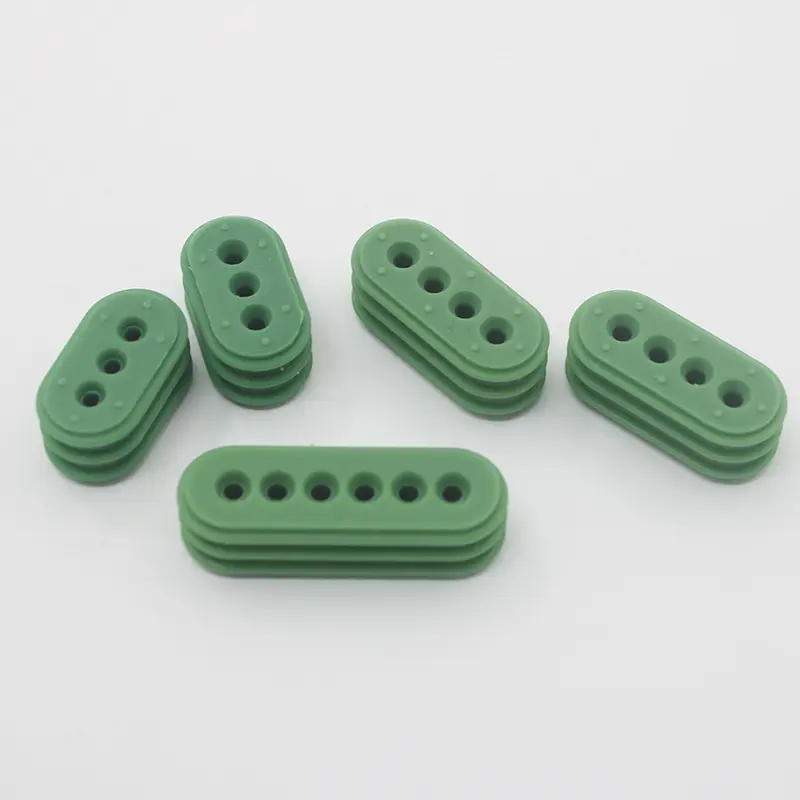
A Connector Seal functions by creating a tight, durable barrier between mated components, preventing contamination or corrosion that can cause signal loss, short circuits, or mechanical degradation. In today’s high-performance industries, even minor exposure to contaminants can lead to significant system failures, making high-quality connector seals indispensable in manufacturing and engineering sectors worldwide.
The growing shift toward electrification, automation, and sustainable energy systems has further amplified the importance of these small yet vital components. Whether in electric vehicles, renewable power systems, or industrial automation, connector seals ensure consistent performance and extended service life.
Below is a technical overview of the product parameters typically associated with high-quality connector seals:
| Parameter | Specification | Description |
|---|---|---|
| Material Composition | Silicone, EPDM, Fluororubber (FKM), NBR | Offers resistance to oil, fuel, water, and temperature extremes |
| Operating Temperature | -40°C to +200°C | Ensures stability across wide thermal ranges |
| Hardness (Shore A) | 40 – 80 | Defines flexibility and sealing strength |
| Compression Set Resistance | ≤25% | Maintains shape and sealing efficiency over time |
| Weather & Ozone Resistance | Excellent | Prevents surface cracking and performance loss under outdoor exposure |
| Color Options | Black, Red, Blue, Customized | Allows color coding for assembly and identification |
| Applications | Automotive, Industrial, Electrical, Marine | Multi-industry adaptability and performance reliability |
The core purpose of connector seals lies in enhancing protection, improving longevity, and guaranteeing consistent operational safety. Their effectiveness determines not only the performance of the connector itself but also the reliability of the entire system.
Why Are Connector Seals Crucial for Modern Engineering and Technology?
The growing complexity of modern electrical and mechanical systems makes connector seals more relevant than ever. Here are the key reasons why these components play a pivotal role in today’s engineering landscape:
1. Environmental Protection
Connector seals act as a barrier against environmental challenges such as dust, moisture, oil, and salt. In automotive and marine applications, for instance, the presence of even minimal water intrusion can cause corrosion or short circuits. The sealing element ensures that connectors remain isolated and secure in harsh operating environments.
2. Thermal and Chemical Stability
Industrial machinery often operates under extreme heat, cold, or exposure to chemicals. High-quality seals made from fluororubber (FKM) or silicone resist degradation and maintain elasticity under fluctuating conditions, ensuring stable and long-lasting performance.
3. Vibration and Pressure Resistance
Connector seals are designed to absorb vibrations and withstand pressure changes without losing their integrity. This feature is critical in aerospace and transportation systems, where connectors experience constant motion and mechanical stress.
4. Cost and Maintenance Efficiency
By preventing system failures caused by leakage or corrosion, connector seals significantly reduce maintenance costs and downtime. Their use extends the lifespan of connectors and improves overall equipment efficiency.
5. Sustainability and Innovation
As industries move toward sustainable solutions, advanced sealing materials such as eco-friendly elastomers and recyclable rubber compounds are becoming more common. This aligns with global initiatives for energy conservation and reduced environmental footprint.
In essence, connector seals are not merely protective accessories—they are engineering enablers that ensure functionality, safety, and performance consistency in an increasingly electrified and connected world.
How Are Connector Seals Designed, Manufactured, and Used in Different Industries?
The design and production of connector seals require precision, advanced materials, and strict quality control to meet international standards. Below is a detailed look at how these seals are developed and applied across industries:
1. Design Process
Connector seals are custom-designed to match specific connector types, dimensions, and environmental conditions. Engineers use CAD modeling and finite element analysis (FEA) to simulate stress, pressure, and temperature behavior. The objective is to achieve the ideal balance between compression, elasticity, and sealing capability.
2. Material Selection
Material selection defines the performance of the seal. For example:
-
Silicone Rubber – Excellent flexibility and temperature resistance, ideal for electrical applications.
-
EPDM Rubber – High resistance to weathering and UV radiation, often used in outdoor applications.
-
Fluororubber (FKM) – Superior resistance to oil, fuel, and chemical exposure, perfect for automotive and aerospace environments.
3. Manufacturing Techniques
Precision molding technologies such as compression molding, injection molding, and transfer molding are used to ensure consistency in dimensions and surface finish. Strict testing—such as leakage simulation, tensile strength evaluation, and accelerated aging—is performed to guarantee compliance with international performance standards (e.g., ISO, SAE, ASTM).
4. Industry Applications
-
Automotive Industry: Used in wiring harness connectors, sensors, and lighting systems to prevent corrosion and moisture entry.
-
Aerospace and Aviation: Critical for maintaining connector integrity in fluctuating altitudes and extreme temperatures.
-
Industrial Equipment: Protects control systems, robotic interfaces, and high-voltage terminals.
-
Marine and Offshore Systems: Prevents saltwater ingress and degradation in connectors exposed to oceanic environments.
These applications underscore how connector seals contribute to global reliability, efficiency, and safety in every field of engineering.
Future Trends and Common Questions About Connector Seals
The Future of Connector Seals
The evolution of connector seals is closely tied to advancements in automation, mobility, and environmental sustainability. Future designs will increasingly feature:
-
Smart Sealing Materials capable of self-healing micro-cracks to extend service life.
-
Nano-structured Elastomers that enhance flexibility and strength simultaneously.
-
Eco-friendly Production Methods that reduce waste and utilize renewable materials.
-
High-precision sealing systems for electric vehicles (EVs), 5G networks, and renewable energy infrastructure.
As industries shift toward electrification and miniaturization, the demand for micro connector seals and high-temperature resistant compounds will surge, setting new benchmarks for durability and performance.
Common Questions About Connector Seals
Q1: How do connector seals prevent electrical failure in harsh environments?
A1: Connector seals prevent water, dust, and chemical infiltration that can cause electrical shorts or corrosion. By maintaining a stable micro-environment around the contact points, they ensure consistent conductivity and long-term stability. Advanced materials such as fluororubber and silicone maintain sealing integrity even under fluctuating thermal and mechanical stress.
Q2: What factors should be considered when choosing the right connector seal?
A2: Several factors determine seal selection: operating temperature range, exposure to chemicals, vibration levels, and installation method. It’s also essential to match material hardness (Shore A) and compression set values to ensure optimal performance. Selecting a seal from a reliable manufacturer that adheres to ISO or SAE standards guarantees both quality and safety.
The Role of Quality and Innovation in Connector Seal Manufacturing
Connector seals may appear as small, inconspicuous components, but their impact on performance, safety, and longevity is significant. From protecting vital electrical circuits in vehicles and aircraft to ensuring uninterrupted power in industrial automation, these seals underpin the reliability of modern technology.
As industries continue to evolve toward intelligent, connected, and energy-efficient systems, the demand for advanced sealing solutions will grow exponentially. Manufacturers focusing on innovation, material science, and precision engineering will shape the next generation of sealing technologies.
Among the leaders in this field, Zhejiang Guoming Rubber Technology Co., Ltd. stands out for its dedication to quality, customization, and technological advancement. With years of experience in high-performance rubber manufacturing, the company delivers connector seals that meet global standards for durability, performance, and sustainability.
For customized solutions, professional consultation, and product inquiries, please contact us to learn more about how Zhejiang Guoming Rubber Technology Co., Ltd. can provide the ideal connector sealing solutions for your business.
