

What Makes PVC Sheet a Game-Changer in Modern Construction and Interior Design?
2025-10-24
In today’s rapidly evolving construction and interior design sectors, the performance and versatility of materials play a pivotal role. The document at hand delves deeply into the product of polyvinyl chloride (PVC) sheet—exploring what it is, why it is gaining broad traction, and how it can be applied effectively. The focus is to provide a detailed, professional-level analysis of PVC sheet, covering its key parameters, benefits, functionalities, and future trends. This is intended for decision-makers, specifiers, architects, procurement professionals and designers who consider PVC sheet in their material selection process.
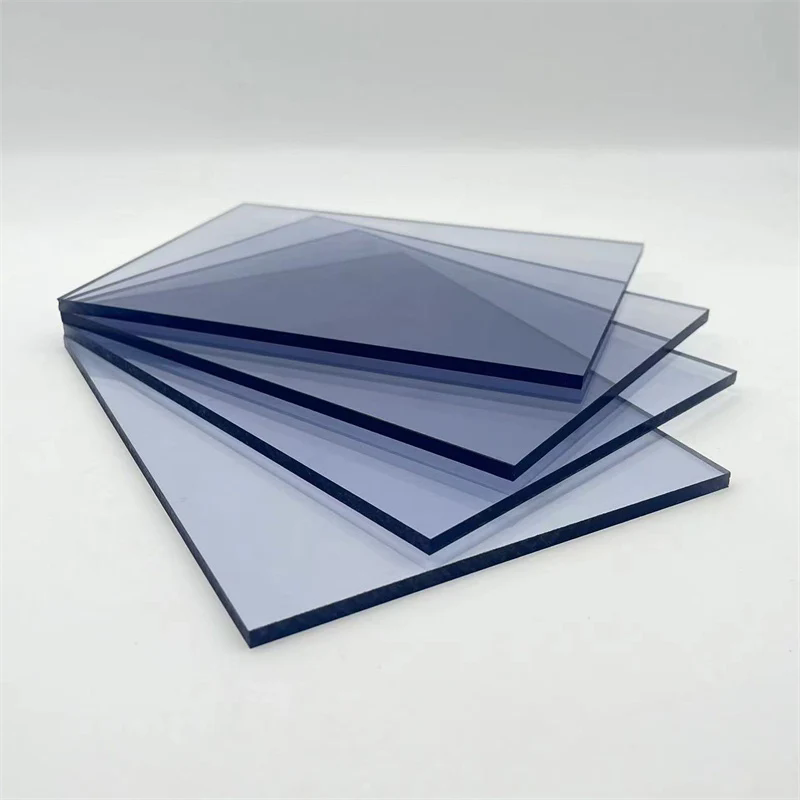
What is PVC Sheet?
PVC sheet is a flat panel material made from polyvinyl chloride resin, often incorporating additives such as stabilisers, plasticisers, pigments and UV-inhibitors depending on its intended use.It may be produced in rigid (uPVC) or flexible forms, and is manufactured through processes such as extrusion or calendering.
In terms of application, PVC sheet is used for wall cladding, partition panels, protective linings, decorative panels, furniture veneer substitutes, signboards and more.
The key product parameters are summarised below:
| Parameter | Typical Value / Range |
|---|---|
| Thickness | 1 mm to 25 mm (depending on grade) |
| Density | ~1.3-1.5 g/cm³ in certain grades (lightweight compared to stone) |
| Finishes Available | Matte, satin, gloss, textured/embossed |
| Core Material | PVC resin + additives (stabiliser, plasticiser, pigment, UV inhibitor) |
| Applications | Interior wall panels, furniture surfaces, cladding, signage, wet-area linings |
This detailed primer establishes what PVC sheet is and sets the stage for exploring why the material has become a key choice in design and construction.
Why Choose PVC Sheet?
The adoption of PVC sheet in various sectors stems from several compelling advantages, which can be categorized under performance benefits, design versatility, installation & maintenance, and cost/value proposition.
Performance Benefits
-
Water and moisture resistance: PVC sheets are naturally resistant to water ingress, swelling or warping, which makes them especially suitable for wet areas such as bathrooms, kitchens, laundry rooms.
-
Durability and wear resistance: They resist abrasion, impact, scratching and general wear in high-traffic or commercial environments.
-
Lightweight compared to conventional materials: For example, one source highlights a density of ~1.3-1.5 g/cm³ (which is significantly less than many natural stone or wood veneers), thereby reducing transportation cost and installation labour.
-
Chemical/termite resistance: In certain PVC laminate sheet formats (closely related), the material is described as termite proof, fungus proof, easy to clean.
Design Versatility
-
PVC sheets come in a wide variety of finishes (wood-grain, stone-effect, metallic, solid colours), textures and thicknesses. This allows them to mimic premium materials at lower cost and with lower maintenance.
-
They permit seamless edge treatments and may reduce the need for separate edge-banding in furniture or panel work, enhancing aesthetic expedience.
Installation and Maintenance
-
Ease of fabrication and installation: The lightweight nature and flexibility (in certain grades) of PVC sheets ease handling, cutting, shaping and mounting.
-
Low maintenance: Smooth finishes with water-resistant properties mean cleaning is simplified—just a damp cloth or mild detergent often suffices.
-
Reduced maintenance cost and longer service life compared to lesser materials: The combination of durability + ease of upkeep drives better lifecycle value.
Cost / Value Proposition
-
Compared with premium natural materials (wood veneer, natural stone) or higher-end finishes, PVC sheet offers competitive cost, especially when total installed cost (material + labour + maintenance) is considered.
-
For large-scale commercial projects where budget control is critical, the cost-effectiveness of PVC sheet becomes a strategic advantage.
All of the above factors explain why PVC sheet is increasingly specified in interior design, furniture manufacture, commercial fit-out and building renovation.
How to Use PVC Sheet Effectively (Applications & Best Practices)
Applying PVC sheet effectively requires understanding selection criteria, specification best practices, installation guidelines and future-proofing considerations.
Selection Criteria and Specification
-
Choose the correct thickness and grade for the intended application. For example, a high-traffic wall panel may need thicker/heavier PVC sheet than a low-impact decorative surface.
-
Ensure the finish (matte, gloss, textured) matches the desired aesthetic and functional role (e.g., textured can hide wear, gloss may show scratches).
-
Confirm substrate compatibility: The substrate to which the PVC sheet will be mounted (MDF, plywood, metal, concrete) must be suitable in terms of flatness, structural stability, moisture condition.
-
Consider edge finishing and joint detailing: PVC sheets often require clean jointing, well-sealed edges especially in wet zones to maintain integrity.
-
Confirm surface treatment and additives: For exterior or UV-exposed zones, ensure UV inhibitors or suitable coatings exist; for wet zones ensure moisture-hostile treatment.
-
Evaluate fire performance and regulatory compliance: Depending on the building code, certain grades of PVC sheet may need fire-retardant additives or certification.
Installation Best Practices
-
Ensure substrate is clean, dry, flat and primed if necessary.
-
Use appropriate adhesive or mechanical fixing methods recommended for the PVC sheet and substrate.
-
When cutting the sheets, use the correct saw blade or cutter to minimise chipping or edge damage.
-
For edge-bending or wrapping applications: Use heat or bending techniques if applicable and ensure the sheet retains structural integrity (some grades bend better than others).
-
Seal edges and joints well in wet or high-moisture areas to prevent ingress and ensure long-term performance.
-
Allow for expansion/contraction where temperature differentials are significant (PVC will expand/contract with heat).
-
Clean the surface initially and schedule periodic cleaning—using mild detergent, non-abrasive cloths—to maintain finish.
Application Examples and Trends
-
Interior wall cladding: Using PVC sheet to cover large wall panels, feature walls, TV unit backdrops. Their ability to mimic wood or stone offers a premium look.
-
Furniture surfaces: Cabinet doors, wardrobes, shelving fronts utilising PVC sheet for durability + finish variety.
-
Wet-area linings: Kitchens, bathrooms, laundries where the moisture-resistant nature of PVC sheet delivers performance over wood laminates.
-
Commercial interiors: Retail fit-outs, offices, hospitality spaces where high traffic and wear require tough finishes—PVC sheets serve well.
-
Signage & display systems: Lightweight, durable PVC sheet is also used for branding panels, partitions, exhibit structures.
Future Trends and Considerations
-
The drive for sustainability: As building codes and consumer expectations evolve, the environmental credentials of PVC sheet (recyclability, emissions, life-cycle impact) will become ever more important.
-
Advancements in texture and surface technology: More realistic wood/stone effects, 3D textured embossing, high-gloss mirror finishes are trending.
-
Integration with smart surfaces: PVC sheets combined with printed finishes, decorative lighting or integrated services are emerging in high-end interiors.
-
Growth in renovation markets: As refurbishment becomes more common than new-build in many regions, PVC sheet offers a low-disruption, efficient material for upgrades.
-
Lightweight construction demands: With sustainability and logistic cost pressure, the lighter weight of PVC sheet (versus stone/wood) offers logistic and structural benefits.
Frequently Asked Questions (FAQ)
Q1: How thick should a PVC sheet be for wall panel use?
A1: The thickness depends on the application load, substrate and finish. For decorative wall panels in residential interior use, a thickness in the range of 2-5 mm may suffice; in commercial/higher-traffic zones or where the sheet acts partly as a structural panel, you may need 8-10 mm or more. Always verify with the manufacturer or supplier that the chosen grade meets impact, fixation and longevity requirements.
Q2: Can PVC sheet be used in exterior applications?
A2: Yes, but caution is required. Exterior use demands that the PVC sheet is formulated for UV exposure, temperature cycling and weathering. Standard interior-grade PVC sheets may degrade (discoloration, brittleness) when exposed continuously to sunlight or harsh conditions. Verify that the sheet incorporates UV stabilisers or protective coatings and that the fixings/installation method accommodate expansion/contraction due to temperature changes.
In conclusion, PVC sheet stands out as a material that effectively combines performance (moisture resistance, durability, lightweight) with design flexibility and cost-efficiency. For projects ranging from high-traffic commercial interiors to wet-area residential renovations, it offers a compelling solution. As design trends shift toward modularity, renovation-centric workflows and sustainable lightweight materials, PVC sheet is positioned for growing demand. When selecting the right product, careful attention to grade, finish, installation method and long-term maintenance will ensure the outcome meets aesthetics and functional expectations.
For tailored solutions, specification support and supply chain reliability, please consider contacting the Andisco for expert guidance and high-quality PVC sheet offerings. Contact us to discuss your project needs and secure the optimal PVC sheet solution for your build or fit-out.
