

What Makes Rubber Tubes Essential for Industrial Applications?
2026-01-20
Article Summary
Rubber tubes are critical components across industries ranging from chemical processing to food manufacturing. This article explores different types of rubber tubes, their applications, key technical features, and selection guidance. Fushuo offers high-quality rubber tubes designed to meet diverse operational demands, ensuring reliability, safety, and durability.
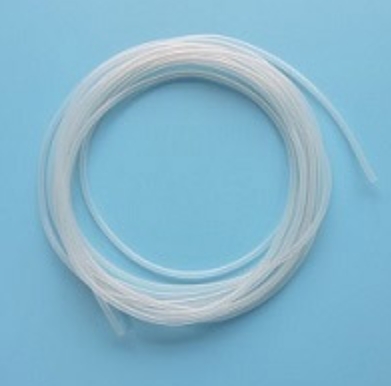
Table of Contents
Types of Rubber Tubes
Fushuo manufactures several types of rubber tubes tailored for different industrial requirements. These include:
| Type | Description | Typical Use |
|---|---|---|
| Large Diameter Rubber Tube | High-strength construction with steel reinforcement for suction and discharge applications. | Pipelines, construction, dredging, and heavy-load fluid transfer. |
| Silicone Rubber Tube | Food-grade silicone with excellent temperature resistance and chemical inertness. | Food processing, pharmaceutical, and high-temperature fluid transfer. |
| Cloth Reinforced Rubber Tube | Durable tube reinforced with fabric for abrasion and pressure resistance. | Chemical, petroleum, and industrial machinery applications. |
Key Features and Benefits
- High Temperature Resistance: Operates reliably from -80°C to 300°C.
- UV and Ozone Resistant: Suitable for outdoor and long-term exposure.
- Chemical and Oil Resistance: Handles acids, alkalis, and oils without degradation.
- Flexibility and Durability: Maintains shape and resilience under high pressure and heavy load.
- Flame Retardant: Provides safety in hazardous industrial environments.
- Electrical Conductivity: Some tubes are designed to safely dissipate static charges.
Industrial Applications
Rubber tubes are widely applied across multiple sectors. Some common applications include:
- Chemical Industry: Transfer of corrosive and reactive fluids.
- Petroleum: Fuel and lubricant transfer in refineries and service stations.
- Food and Beverage: Hygienic silicone tubes for liquid transfer in food production.
- Construction: Suction and discharge hoses for water, concrete, or slurry.
- Fire Protection: Flexible hoses for firefighting equipment and water supply.
- Mechanical and Industrial: Connections in machinery requiring pressure and abrasion-resistant tubes.
How to Select the Right Rubber Tube
Choosing the proper rubber tube depends on multiple factors, including:
- Fluid Type: Ensure compatibility with chemicals, oils, or food-grade liquids.
- Temperature Range: Select a tube material that withstands operational extremes.
- Pressure and Load: Consider wall thickness and reinforcement type for high-pressure applications.
- Flexibility: Evaluate bend radius and elasticity for tight installation spaces.
- Durability Requirements: Check for abrasion resistance, UV protection, and flame retardancy.
Frequently Asked Questions
Q1: Can rubber tubes handle extreme temperatures?
A1: Yes, depending on the material, Fushuo rubber tubes can withstand temperatures ranging from -80°C to 300°C without losing structural integrity.
Q2: Are these tubes safe for food and pharmaceutical applications?
A2: Fushuo produces silicone and food-grade tubes that comply with industry hygiene standards, ensuring safe fluid transfer.
Q3: How long do reinforced rubber tubes last under heavy use?
A3: With proper selection and maintenance, reinforced tubes can operate for several years, resisting wear, pressure, and chemical exposure.
Contact Fushuo
Fushuo is committed to providing high-quality rubber tubes tailored to your industrial needs. For detailed guidance, quotations, or custom specifications, contact us today and ensure reliable performance for your operations.
