

What Makes Rubber V Belts Reliable for Power Transmission?
2025-09-17
Power transmission is one of the most fundamental requirements in modern machinery. Whether it is in automotive engines, agricultural equipment, industrial machines, HVAC systems, or construction tools, a dependable system is needed to transfer power smoothly from one shaft to another. Among the many solutions available, rubber V belts stand out as one of the most trusted and efficient choices.
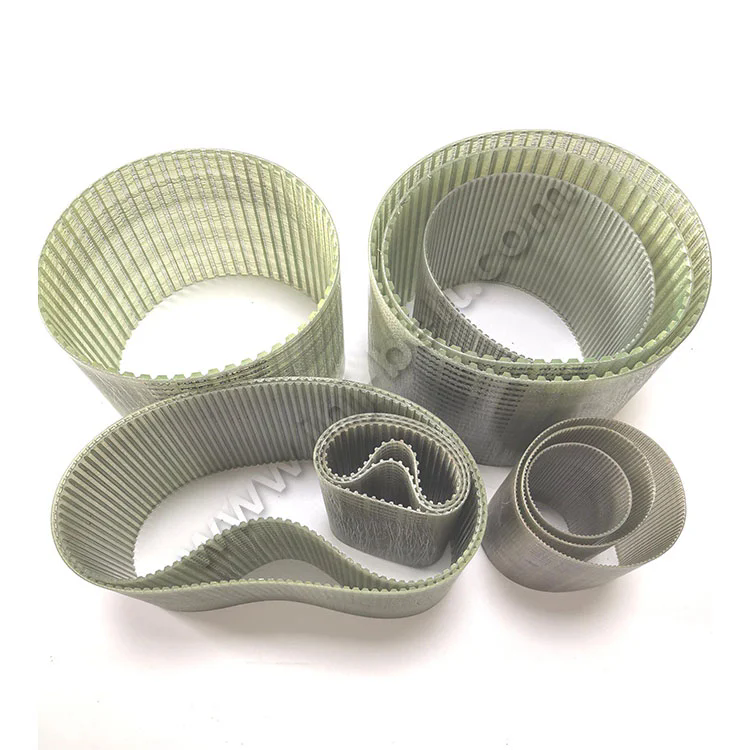
A rubber V belt is a trapezoidal belt made primarily of high-quality rubber, reinforced with cords or fibers, and designed to transmit power through friction. The V-shaped cross-section allows the belt to wedge tightly into the pulley groove, ensuring maximum grip and minimal slippage. This design increases efficiency while reducing energy loss, making V belts a preferred option in applications that demand durability and reliability.
The popularity of rubber V belts can be attributed to several factors:
-
High efficiency: Capable of transmitting significant horsepower with minimal losses.
-
Durability: Resistant to wear, heat, and environmental stress when designed with premium materials.
-
Flexibility: Suitable for short or long center distances between pulleys.
-
Versatility: Found in industries ranging from automotive to agriculture.
-
Ease of replacement: Simple installation and low maintenance requirements.
As industries continue to demand stronger and more energy-efficient solutions, rubber V belts remain a cost-effective and dependable answer to power transmission challenges.
How Do Rubber V Belts Work and What Parameters Define Their Performance?
The working principle of rubber V belts is based on frictional contact between the belt and pulley. When the belt moves around the pulley groove, the V-shaped design ensures tight engagement, thereby increasing torque transmission. Unlike flat belts, which may slip under heavy loads, the wedging action of V belts ensures consistent power delivery even in demanding applications.
Key Components of Rubber V Belts
-
Rubber Body – Provides flexibility, shock absorption, and resistance to environmental stress.
-
Tensile Cords – Usually made of polyester, aramid, or fiberglass, these cords give the belt tensile strength and prevent elongation.
-
Protective Fabric Layer – Guards against abrasion and external damage, ensuring longer belt life.
Technical Parameters of Rubber V Belts
| Parameter | Specification Options |
|---|---|
| Material | Natural rubber, synthetic rubber, neoprene, EPDM |
| Tensile Cord Material | Polyester, aramid, fiberglass |
| Belt Section Types | A, B, C, D, E, SPA, SPB, SPC, SPZ |
| Top Width | 10 mm – 32 mm (varies by section) |
| Height | 6 mm – 20 mm |
| Angle of Belt | 40° standard wedge angle |
| Temperature Range | -30°C to +100°C (up to 140°C for EPDM belts) |
| Operating Speed | Up to 30 m/s |
| Power Range | 0.5 kW to over 500 kW depending on size and type |
These parameters allow rubber V belts to adapt to a wide spectrum of mechanical demands. For instance, high-performance aramid cord belts are chosen for heavy-duty industrial equipment, while standard polyester cord belts are sufficient for light machinery.
Why Rubber V Belts Are Preferred Over Alternatives
-
Compared to flat belts: Higher load capacity and less slippage.
-
Compared to chain drives: Quieter operation, no lubrication required, and reduced maintenance.
-
Compared to synchronous belts: More affordable, better shock absorption, and easier installation.
This combination of efficiency, durability, and cost-effectiveness is why rubber V belts continue to dominate global power transmission markets.
Why Should Businesses Invest in the Right Rubber V Belts?
Choosing the correct rubber V belt is more than just a technical decision; it directly influences operational efficiency, safety, and overall costs. An improperly selected or poor-quality belt can lead to downtime, increased maintenance expenses, or even machine failure.
Key Factors to Consider Before Selecting a Rubber V Belt
-
Load and Power Requirements
-
Analyze the horsepower and torque needed to drive your machinery.
-
Match the belt size and section to the required power capacity.
-
-
Operating Speed
-
Ensure the belt can withstand the desired speed without excessive vibration or heat buildup.
-
-
Environmental Conditions
-
High temperatures require EPDM or heat-resistant belts.
-
Oily or chemical-rich environments demand neoprene or synthetic rubber belts.
-
-
Pulley Alignment and Groove Design
-
Proper pulley dimensions and alignment ensure maximum efficiency and prevent premature belt wear.
-
-
Maintenance and Replacement Costs
-
High-quality belts may have a higher upfront cost but offer longer lifespans, reducing overall expenses.
-
Benefits of Investing in High-Quality Rubber V Belts
-
Extended equipment life: Reduces strain on pulleys and bearings.
-
Lower operational downtime: Reliable belts mean fewer unexpected failures.
-
Consistent performance: Stable transmission of power maintains production efficiency.
-
Cost savings: Less frequent replacements reduce both labor and material costs.
Common FAQs About Rubber V Belts
Q1: How long do rubber V belts typically last?
A: The lifespan of a rubber V belt depends on operating conditions, load, and maintenance practices. On average, standard belts last between 2,000 and 6,000 hours of operation. Heavy-duty belts reinforced with aramid cords can exceed 10,000 hours under proper conditions. Regular inspection for cracks, fraying, or elongation helps maximize belt life.
Q2: How can I maintain rubber V belts for optimal performance?
A: Maintenance involves regular tension checks, ensuring pulley alignment, cleaning debris from the drive system, and avoiding exposure to oil or extreme heat. Belts should be replaced if they show visible wear, loss of tension, or significant noise during operation. Proper preventive maintenance extends belt life and reduces the risk of sudden breakdowns.
How Are Rubber V Belts Evolving to Meet Future Industrial Needs?
The demand for more energy-efficient and eco-friendly solutions is pushing manufacturers to develop advanced rubber V belts. Innovations in material science, engineering, and manufacturing are reshaping the future of power transmission.
Emerging Trends in Rubber V Belts
-
High-Performance Materials: The use of EPDM and advanced synthetic rubbers provides better heat resistance and longer lifespans.
-
Eco-Friendly Designs: Development of belts with recyclable materials to reduce environmental impact.
-
Energy-Efficient Belts: Low-friction belts designed to reduce power loss and improve overall system efficiency.
-
Smart Monitoring: Integration with IoT devices for real-time monitoring of belt performance, tension, and wear.
The Future Role of Rubber V Belts in Global Industries
Despite competition from alternative technologies, rubber V belts remain indispensable because of their adaptability, affordability, and reliability. Their ability to handle varying loads, resist wear, and provide consistent power transmission makes them a cornerstone in industries that demand uninterrupted productivity.
At INJ, we are committed to delivering top-quality rubber V belts that meet international standards and cater to a wide range of industrial applications. Our products are engineered for strength, efficiency, and long service life, ensuring that businesses can achieve seamless operations with minimal downtime.
For more information, bulk orders, or customized solutions, contact us today and discover how INJ rubber V belts can support your business with durable and efficient power transmission solutions.
