
What Makes Woven Pond Liners the Best Choice for Modern Aquatic Solutions?
2025-11-10
A Woven Pond Liner is a high-strength, flexible geomembrane designed to retain water in artificial ponds, reservoirs, aquaculture tanks, irrigation systems, and landscaping applications. Constructed from high-density polyethylene (HDPE) or polypropylene (PP) materials, these liners are woven for exceptional tensile strength, tear resistance, and puncture durability. They act as an impermeable barrier, preventing water seepage into the ground while maintaining a consistent water level within ponds and water storage systems.
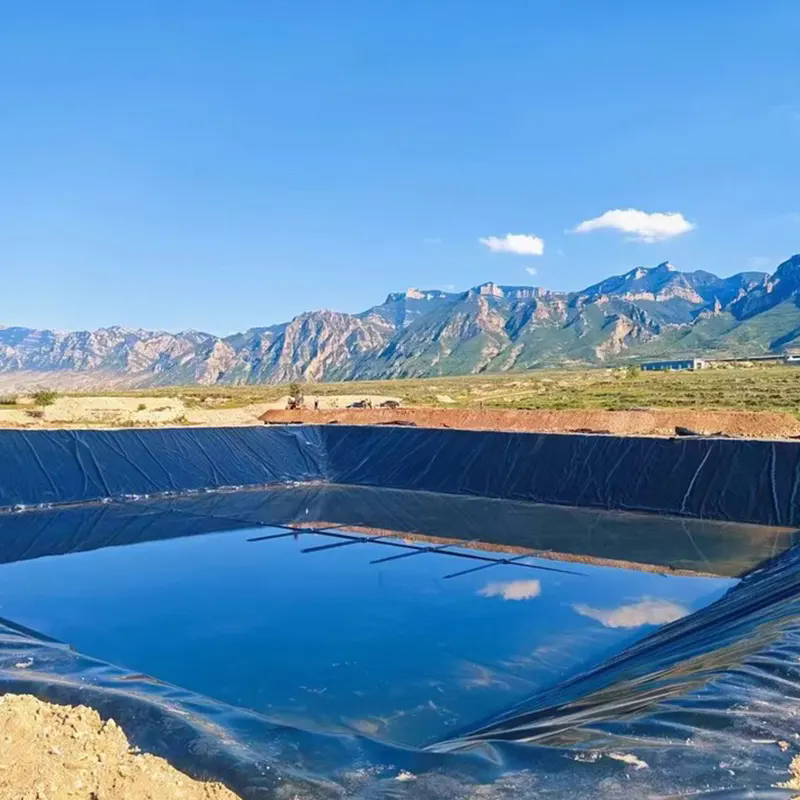
In modern water management, pond liners play a critical role. With global water scarcity challenges and the growing importance of sustainable aquaculture, woven pond liners offer a reliable solution that combines durability, eco-friendliness, and cost efficiency. Their lightweight construction simplifies installation while providing a long lifespan compared to traditional clay or concrete linings.
Product Overview and Key Features
| Parameter | Specification |
|---|---|
| Material Type | Woven HDPE / PP Fabric with LDPE Coating |
| Thickness Range | 0.3mm – 1.5mm |
| Width Range | Up to 8 meters (customizable) |
| Tensile Strength | ≥ 1200 N/5cm |
| Puncture Resistance | ≥ 300 N |
| Temperature Range | -40°C to +70°C |
| UV Resistance | Excellent, suitable for prolonged outdoor exposure |
| Waterproof Property | 100% Impermeable |
| Service Life | 10–15 years (depending on conditions) |
| Applications | Fish ponds, irrigation reservoirs, landfill covers, water retention systems |
The woven structure of the liner is designed with interlaced polymer strands coated with low-density polyethylene. This layered configuration enhances both strength and flexibility, allowing it to adapt to uneven surfaces without tearing. Moreover, the woven texture improves resistance to environmental stressors such as UV radiation, chemicals, and temperature fluctuations.
The importance of woven pond liners lies not only in their functional durability but also in their environmental benefits. They prevent soil erosion, reduce water loss, and protect ecosystems by controlling water flow and contamination.
Why Are Woven Pond Liners Superior to Traditional Liners?
Traditional pond lining methods, such as clay, concrete, or non-woven membranes, often suffer from issues like cracking, leakage, and high maintenance costs. Woven pond liners, on the other hand, are engineered for long-term performance, adaptability, and environmental sustainability.
a. Enhanced Strength and Durability
The woven design gives the liner excellent tensile and tear strength. Even under heavy loads or irregular ground conditions, it maintains integrity. This makes it ideal for both industrial-scale aquaculture farms and decorative garden ponds.
b. Cost-Effective and Easy to Install
Unlike concrete ponds that require extensive groundwork and curing time, woven pond liners can be installed quickly with minimal tools. Their lightweight design reduces transportation and labor costs, making them an affordable solution for both commercial and agricultural use.
c. Superior UV and Chemical Resistance
One of the most common challenges in outdoor water systems is UV degradation. Woven pond liners from advanced polymer materials resist UV exposure for years, maintaining their waterproofing performance. Additionally, their chemical resistance ensures they can safely hold water containing fertilizers, fish waste, or industrial effluents.
d. Environmentally Friendly Composition
Modern woven pond liners are made from non-toxic and recyclable materials, ensuring they do not harm aquatic life. They create a stable water environment, preventing harmful leaching or contamination. This eco-conscious feature supports global sustainability efforts, particularly in aquaculture and agriculture sectors.
e. Wide Range of Applications
Woven pond liners serve in multiple industries:
-
Aquaculture: Fish and shrimp ponds benefit from clean, non-contaminated environments.
-
Agriculture: Used in irrigation systems to prevent water seepage.
-
Landfills and Waste Management: As bottom liners and covers for leachate control.
-
Industrial Uses: For effluent treatment plants and containment basins.
Their versatility, strength, and long lifespan make them a preferred choice worldwide for water containment needs.
How Do Woven Pond Liners Improve Water Management Efficiency and Longevity?
In modern water engineering and environmental design, efficiency and sustainability are the driving forces. Woven pond liners contribute significantly to both by combining advanced material science with practical performance.
a. Efficient Water Retention
The impermeable nature of woven pond liners prevents any leakage, ensuring that every drop of water remains contained. This is particularly crucial for regions suffering from water scarcity, as it minimizes wastage.
b. Long-Term Structural Stability
Thanks to their woven reinforcement, these liners resist punctures and tears caused by sharp objects or ground movements. This long-term stability reduces the need for frequent repairs or replacements, lowering overall operational costs.
c. Compatibility with Various Surfaces
Woven pond liners are flexible enough to contour around rocks, slopes, or irregular pond beds. Their adaptability allows easy installation even in complex shapes, ensuring a snug fit and uniform protection.
d. Thermal and Weather Resistance
Extreme temperatures often degrade conventional liners. However, woven liners maintain performance across wide temperature ranges, from freezing cold to intense heat, without losing elasticity or cracking.
e. Low Maintenance and Easy Cleaning
Since the liner’s surface is smooth, it prevents algae buildup and makes cleaning easier. This ensures a hygienic water environment, especially beneficial for aquaculture operations where water quality directly impacts yield.
f. Extended Lifespan
When installed correctly and protected from mechanical damage, woven pond liners can last over 15 years. Their UV stabilization and chemical inertness contribute to consistent performance over time, providing reliable long-term service.
What Are the Future Trends of Woven Pond Liners in Water Conservation and Sustainability?
As global industries move toward sustainable water management, the demand for efficient pond lining materials continues to rise. Woven pond liners are evolving with technological innovations, improved materials, and smarter design adaptations.
a. Integration with Smart Monitoring Systems
Future pond liners are expected to include embedded sensor technologies that monitor water pressure, temperature, and leakage. This helps users identify issues early, enhancing the lifespan of water containment systems.
b. Development of Biodegradable and Eco-Enhanced Liners
Manufacturers are exploring eco-friendly polymers that balance strength and sustainability. Bio-based materials could reduce environmental impact while maintaining the waterproofing benefits of woven structures.
c. Growth in Urban Landscaping and Aquaculture
With increasing urbanization, artificial ponds, fountains, and decorative landscapes are becoming popular. Woven pond liners provide a clean, safe, and flexible option for modern city architecture and green space development.
d. Reinforced Hybrid Structures
Future designs may combine woven and non-woven composites, resulting in hybrid liners that provide both tensile strength and elasticity. This innovation will likely revolutionize water storage applications in agriculture and industry.
e. Global Market Expansion
Regions with growing aquaculture and agricultural demands—such as Southeast Asia, Africa, and South America—are increasingly adopting woven pond liners for their cost-effective, sustainable, and reliable performance. The global woven liner market is forecasted to grow steadily, driven by eco-regulatory support and sustainable development goals.
Frequently Asked Questions (FAQs)
Q1: How long can a woven pond liner last under continuous outdoor use?
A high-quality woven pond liner can last 10 to 15 years or more, depending on environmental exposure, installation quality, and maintenance. Its UV and chemical resistance allow it to perform efficiently in harsh climates without cracking or leaking.
Q2: Can woven pond liners be repaired if they get punctured?
Yes. Small punctures or tears can be easily repaired using specialized liner patch kits or heat-welding techniques. Proper installation and routine inspections can minimize damage, ensuring long-term reliability and cost savings.
Conclusion: Why Golden Delta Woven Pond Liners Are a Reliable Choice for the Future
The woven pond liner represents more than just a waterproof sheet—it is an engineered solution that enhances water conservation, supports sustainable farming, and protects valuable aquatic resources. With its superior durability, eco-friendly materials, and adaptability to various applications, it sets a new standard in modern pond management.
As industries move toward sustainable and efficient water systems, Golden Delta continues to lead with innovation, quality, and customer-focused manufacturing. Its woven pond liners are designed to withstand the toughest conditions while delivering long-term performance and reliability.
For more information or customized pond liner solutions tailored to your project, Contact Us today and discover how Golden Delta can support your water management needs with advanced woven liner technology.
