
Why Are Woven Pond Liners Becoming the Future Standard for Water Containment Solutions?
2025-10-21
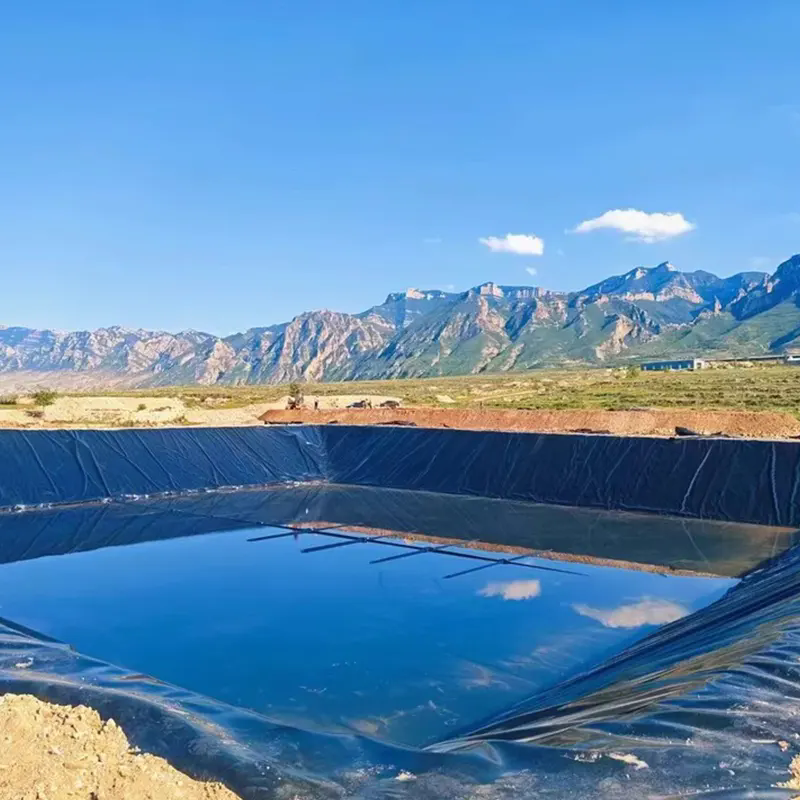
In the modern landscape of landscaping, aquaculture, and environmental engineering, Woven Pond Liners have emerged as a game-changing material for water containment. Built from high-density polyethylene (HDPE) or polypropylene (PP) tapes woven into a strong fabric, these liners offer superior tensile strength, puncture resistance, and durability compared to traditional non-woven or PVC liners. They are widely used in agricultural ponds, fish farming, decorative garden ponds, water reservoirs, and irrigation projects.
What Makes a Woven Pond Liner Different?
Woven pond liners are constructed through a tight weaving process of polymer fibers that create a robust yet lightweight fabric. This structure allows the liner to maintain flexibility while providing high mechanical strength. Compared to traditional rubber or non-woven liners, woven liners combine strength, lightweight design, and UV stability—qualities essential for large-scale water containment.
The following table outlines typical product specifications that define professional-grade woven pond liners:
| Parameter | Typical Specification Range | Key Benefit |
|---|---|---|
| Material | HDPE or PP woven fabric with LDPE coating | High durability and environmental resistance |
| Thickness | 0.3 mm – 1.5 mm | Adaptable to different pond scales |
| Weight | 150 – 800 g/m² | Customizable based on project load |
| Tensile Strength | ≥ 800 N/5 cm | Superior tear and puncture resistance |
| Permeability | < 1 × 10⁻⁶ cm/s | Excellent waterproofing capability |
| Temperature Resistance | -40°C to +80°C | Suitable for extreme climates |
| UV Resistance | ≥ 800 hours (ASTM G154) | Long service life outdoors |
| Roll Width / Length | 2 m – 8 m width; up to 100 m length | Efficient installation and reduced seams |
| Color Options | Black, Green, Blue | Aesthetic and functional options |
| Expected Service Life | 8–15 years (depending on exposure) | Low maintenance and replacement cost |
These parameters make woven pond liners ideal for projects requiring reliable water retention, chemical stability, and ease of handling.
Why Are Woven Pond Liners Gaining Popularity Worldwide?
Environmental Sustainability
Sustainability has become a major driver in material selection. Woven pond liners are often made from recyclable polymers, contributing to reduced environmental footprint compared to synthetic rubber liners. Their long lifespan and resistance to degradation also minimize replacement waste.
Economic Efficiency
The woven structure significantly reduces the material weight, leading to lower transportation and installation costs. Despite their lightness, they offer comparable or superior durability to thicker non-woven or PVC liners, ensuring long-term cost efficiency for large water storage projects.
Engineering Reliability
Engineers and contractors appreciate the dimensional stability and tensile strength of woven liners. Their woven matrix can withstand soil movement, hydrostatic pressure, and mechanical stress without tearing. This reliability makes them a preferred solution for applications such as canal lining, aquaculture tanks, and rainwater harvesting systems.
Climate Adaptability
Unlike some rubber liners that become brittle in low temperatures or expand in high heat, woven liners remain stable across a wide temperature range. Their UV-stabilized coating resists sunlight degradation, making them suitable for outdoor, tropical, or desert installations.
Aesthetic and Functional Flexibility
For decorative pond applications, woven liners are available in multiple colors and textures that blend seamlessly with natural surroundings. Their flexibility allows for complex pond shapes without sacrificing waterproofing integrity.
How Are Woven Pond Liners Used in Practical Applications?
Agricultural Water Storage
In agriculture, woven pond liners play a vital role in irrigation ponds, livestock watering, and rainwater harvesting. Their high puncture resistance prevents damage from stones or roots, ensuring stable water retention even in rough terrain.
Aquaculture and Fish Farming
Fish farmers rely on woven liners for oxygen-efficient and disease-free aquatic environments. The liners’ non-toxic coating and chemical resistance maintain safe water quality, supporting healthy aquatic ecosystems.
Landscaping and Garden Ponds
For landscape designers, woven liners offer both functional integrity and aesthetic adaptability. Their sleek appearance and easy installation make them suitable for artificial lakes, decorative ponds, and backyard water gardens.
Industrial and Environmental Projects
Woven pond liners are also integral in industrial wastewater containment, landfill leachate barriers, and stormwater reservoirs. Their impermeability and chemical resistance ensure compliance with environmental protection standards.
Installation and Maintenance Guidelines
Step 1: Ground Preparation – Level the pond base and remove sharp objects.
Step 2: Geotextile Underlay – Apply a protective layer to prevent liner abrasion.
Step 3: Liner Placement – Roll out the liner evenly, allowing overlap for seams.
Step 4: Welding/Seaming – Use hot-air welding for HDPE coatings to ensure watertight joints.
Step 5: Edge Anchoring – Bury or fix liner edges securely with compacted soil or concrete.
Step 6: Inspection and Filling – Check for leaks before filling the pond with water.
Proper maintenance includes regular debris removal, periodic inspections, and avoiding direct contact with sharp tools or corrosive substances.
What Are the Future Trends in Woven Pond Liner Technology?
The woven liner industry is evolving rapidly with advancements in polymer chemistry, surface coating, and smart monitoring integration. Several trends define the next generation of pond liners:
Smart Sensor Integration
Innovators are developing liners with embedded leak detection sensors that provide real-time monitoring of water loss or structural damage, enhancing project safety and reducing maintenance costs.
Nano-Coating Technology
Future liners may incorporate nanocomposite coatings for higher UV protection and self-cleaning functionality, extending their lifespan and reducing algae growth.
Eco-Recyclable Polymers
Sustainability continues to influence manufacturing, with new bio-based polymers offering the same strength and flexibility as traditional plastics but with lower carbon emissions.
High-Customization Manufacturing
Digital fabrication methods now enable custom-sized and pre-shaped liners, reducing on-site cutting and welding time. This shift toward tailor-made solutions reflects the construction industry's demand for precision and speed.
Global Market Outlook
According to industry analyses, the demand for woven pond liners is projected to grow steadily due to rising water conservation initiatives, expanding aquaculture, and increasing urban landscaping projects. Their adaptability to different climates and applications positions them as the preferred solution for sustainable water management.
Frequently Asked Questions (FAQs)
Q1: What is the difference between woven and non-woven pond liners?
A woven pond liner is made from interlaced HDPE or PP tapes that provide exceptional tensile strength and low stretch, ideal for large or structural ponds. Non-woven liners, by contrast, are felt-like fabrics that offer higher elasticity but less mechanical strength. Woven liners are therefore preferred for industrial and agricultural projects requiring dimensional stability and long-term durability.
Q2: How long does a woven pond liner typically last?
The service life depends on exposure, thickness, and maintenance. In general, a high-quality woven pond liner can last 10 to 15 years under continuous outdoor exposure and over 20 years when protected from direct UV radiation. Regular inspection and cleaning extend the lifespan significantly.
Why Choose Golden Delta Woven Pond Liners?
Golden Delta’s woven pond liners combine engineering precision, durable materials, and sustainable design to meet the highest global standards. Each liner is manufactured using advanced HDPE and PP woven technology, ensuring unparalleled tensile strength, waterproof integrity, and UV resistance. From agricultural irrigation ponds to decorative landscape projects, Golden Delta provides custom-engineered liner solutions tailored to the most demanding applications.
For experts seeking long-term reliability, environmental responsibility, and cost-efficient performance, Golden Delta represent the future of water containment.
For more details or technical consultation, contact us today to discuss your project requirements.
