
Why Is Ceramic Wear Lining Crucial for Industrial Equipment?
2026-01-08
Summary: Ceramic wear lining plays a vital role in protecting industrial equipment from abrasive materials, high temperatures, and corrosion. This article explains its core features, applications across industries, installation methods, and answers common questions to help companies improve equipment lifespan and reduce maintenance costs.
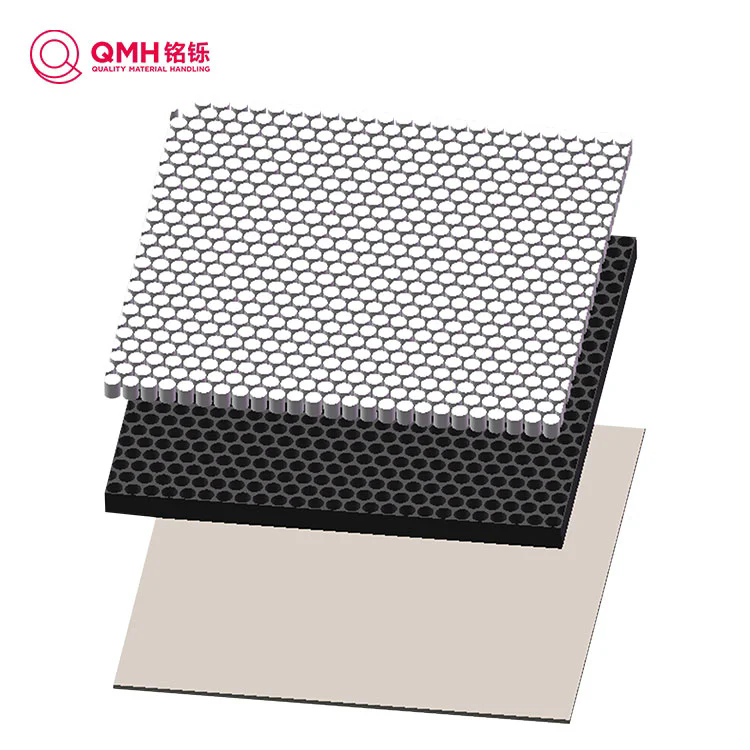
Table of Contents
- Introduction to Ceramic Wear Lining
- Key Features of Ceramic Wear Lining
- Applications Across Industries
- Installation Methods
- Advantages of Using Ceramic Wear Lining
- Frequently Asked Questions
- Contact Us
Introduction to Ceramic Wear Lining
Ceramic wear lining is a protective material designed to resist wear, corrosion, and high temperatures in industrial equipment. Made primarily of alumina ceramics, it offers exceptional hardness and durability. Industrial operations such as mining, cement manufacturing, and steel production often face equipment degradation due to abrasive materials. Installing ceramic wear linings can significantly extend service life and reduce operational downtime.
Key Features of Ceramic Wear Lining
Ceramic wear lining stands out due to its unique material properties. Below is a detailed overview:
| Feature | Description |
|---|---|
| Super Wear-Resistance | Hardness reaches HRA88 or higher, with Mohs hardness of 8–9, making it highly resistant to scratches and abrasion from ores, coal, and other materials. |
| High Temperature Resistance | Capable of operating at 0℃–500℃ for prolonged periods, suitable for conventional feeding systems and high-temperature processes. |
| Corrosion Resistance | Chemically stable in acidic or alkaline environments, ideal for chemical reactors and tailings pipelines. |
| Compressive Strength | Withstands pressures up to 2000–3000MPa, resisting accumulation and impact of heavy materials. |
| Anti-Falling Design | High-strength bolts and professional adhesive bonding ensure the ceramic lining remains securely in place under operational stresses. |
| Customization Support | Shape, size, and thickness can be tailored to specific equipment requirements. |
Applications Across Industries
Ceramic wear lining is used in diverse industrial sectors to enhance equipment durability and operational efficiency.
- Mining Industry: Installed in crushers, ball mills, chutes, and conveyors to reduce wear caused by abrasive ores and extend equipment lifespan.
- Power Industry: Applied in coal transportation systems, hoppers, drop pipes, and scraper conveyors to prevent friction damage and reduce blockage risks.
- Steel Industry: Used in chutes, ladles, and blast furnace components to resist erosion from molten iron, steel, and slag, significantly extending equipment service life.
- Cement Industry: Protects raw material mills, clinker mills, and storage equipment from abrasive wear, improving grinding efficiency and reducing maintenance.
Installation Methods
Ceramic wear linings can be installed using different methods depending on operational requirements:
- Welding Installation: Metal mounting parts are pre-set on the liner and welded to equipment surfaces. Provides secure installation but requires careful thermal management.
- Adhesive Installation: Specialized ceramic adhesives attach linings to equipment surfaces without thermal impact, requiring adhesives with long-lasting bonding strength.
- Bolt Connection Installation: Drill holes in equipment or base plates to fix ceramic linings with high-strength bolts, combining stability and ease of maintenance.
Advantages of Using Ceramic Wear Lining
- Extends equipment lifespan by resisting abrasive and corrosive wear.
- Reduces maintenance frequency and associated operational costs.
- Improves process efficiency in material handling and grinding operations.
- Offers safe and secure installation with anti-falling designs.
- Customizable to fit a wide range of industrial equipment.
Frequently Asked Questions
- What types of equipment benefit most from ceramic wear lining?
- Crushers, mills, chutes, conveyors, hoppers, and pipelines handling abrasive or high-temperature materials benefit the most from ceramic wear linings.
- How long does a ceramic wear lining last compared to metal liners?
- Under similar operational conditions, ceramic wear linings can last 3–5 times longer than conventional metal liners, reducing downtime and replacement costs.
- Can ceramic wear linings withstand corrosive chemicals?
- Yes. Their chemical stability allows use in acidic or alkaline environments, making them suitable for chemical, mining, and wastewater applications.
- Is it possible to customize the shape and thickness of ceramic wear linings?
- Absolutely. Most suppliers, including QMH, offer customization to match specific equipment requirements.
Contact Us
For companies looking to enhance equipment durability and reduce maintenance costs, QMH provides high-quality ceramic wear linings with customizable options and professional installation support. Contact us today to discuss your specific industrial needs and obtain a tailored solution.
